BYD Song L DM-i Hybrid SUV Model Profile (2025) — Specs, Range & Key Features

Vehicle Highlights
-
Excellent Range Performance: Equipped with the fifth-generation DM technology, it has a CLTC range of 130km, and a comprehensive range of up to 1500km with a full tank of fuel and full charge. There is basically no need to worry about fuel costs for daily commuting, and there is no range anxiety for long-distance travel.
-
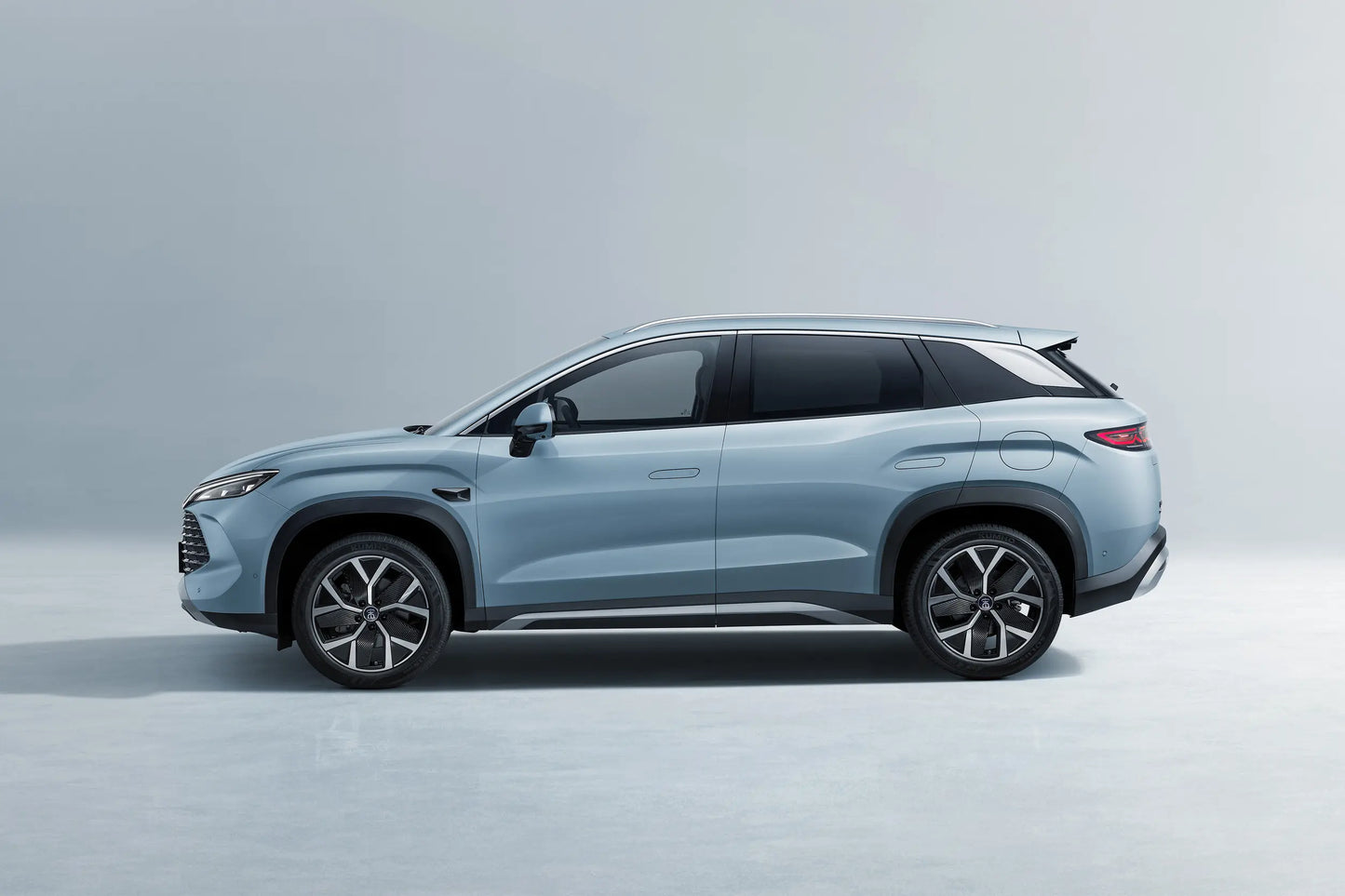
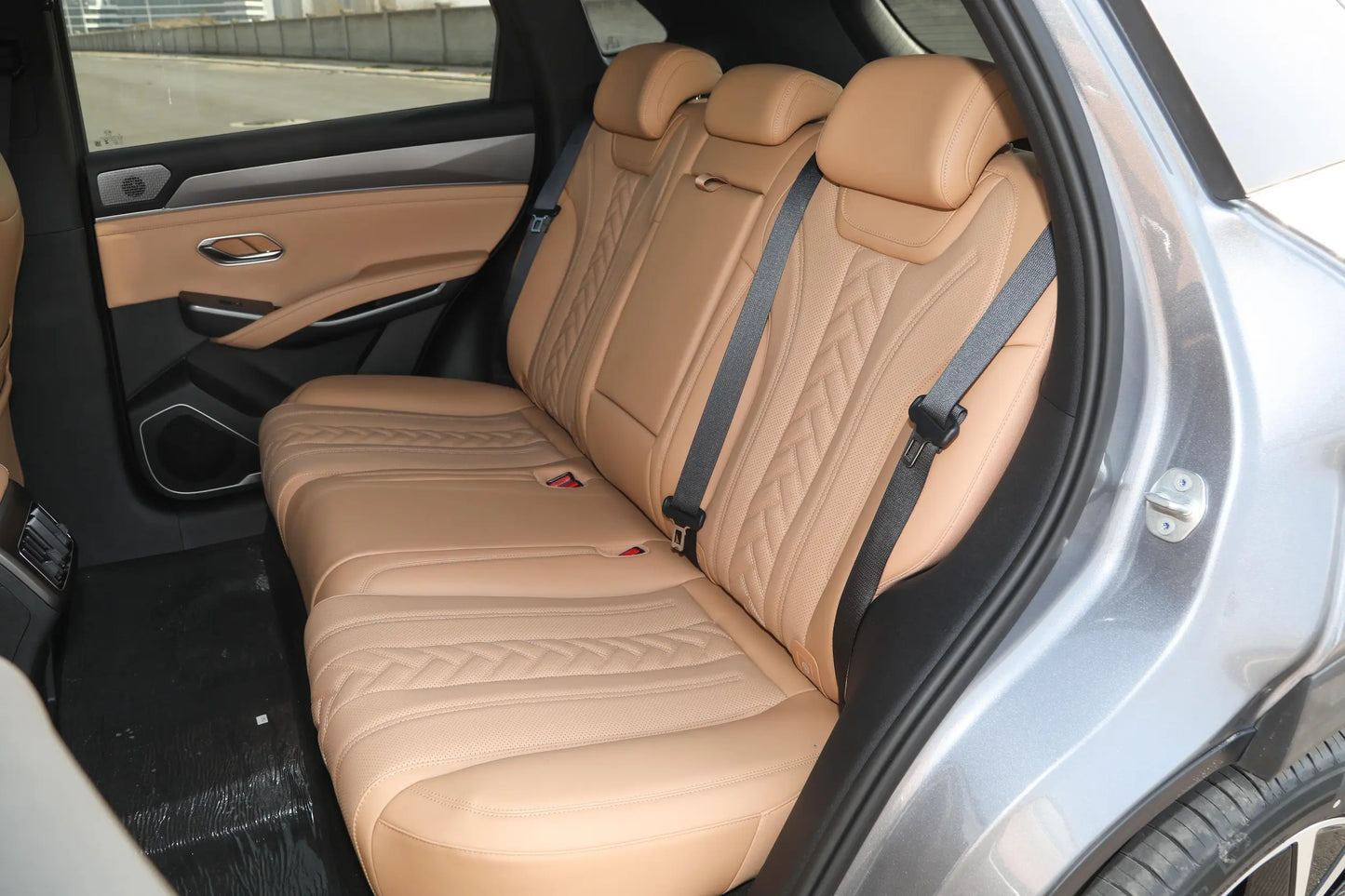
Strong Space Practicality: The body dimensions are 4780×1898×1670mm, with a wheelbase of 2782mm. The leg and head space in the front and rear rows is sufficient, without a sense of oppression. The trunk space is 680-1550L, meeting the basic cargo needs of families.
Please Note
-
Some users report that tire noise and wind noise are relatively obvious, especially in high-speed sections. It is recommended that users sensitive to noise can be equipped with soundproof cotton.
-
The intelligent driving system needs to be optimized. When dealing with complex and changeable actual road conditions, the system's response speed and processing capability are not rapid and flexible enough.
Overview — BYD Song L DM-i Plug-in Hybrid SUV Highlights
Song L DM is a mid-size plug-in hybrid SUV under BYD, with strong competitiveness in the plug-in hybrid SUV market due to its cost-effectiveness.
Since its launch in July 2024, the sales of Song L DM-i have continued to grow. In November 2024, its monthly sales exceeded 28,000 units, making it one of the best-selling models in BYD's Dynasty Series. In the first half of 2025, the cumulative sales reached more than 70,000 units, demonstrating stable market recognition.
The 2026 Song L DM offers two range options, 130km and 200km respectively. The starting price is $20,000, and the top configuration is approximately $2,500 higher, providing diversified choices for users pursuing convenience and ultimate comfort.
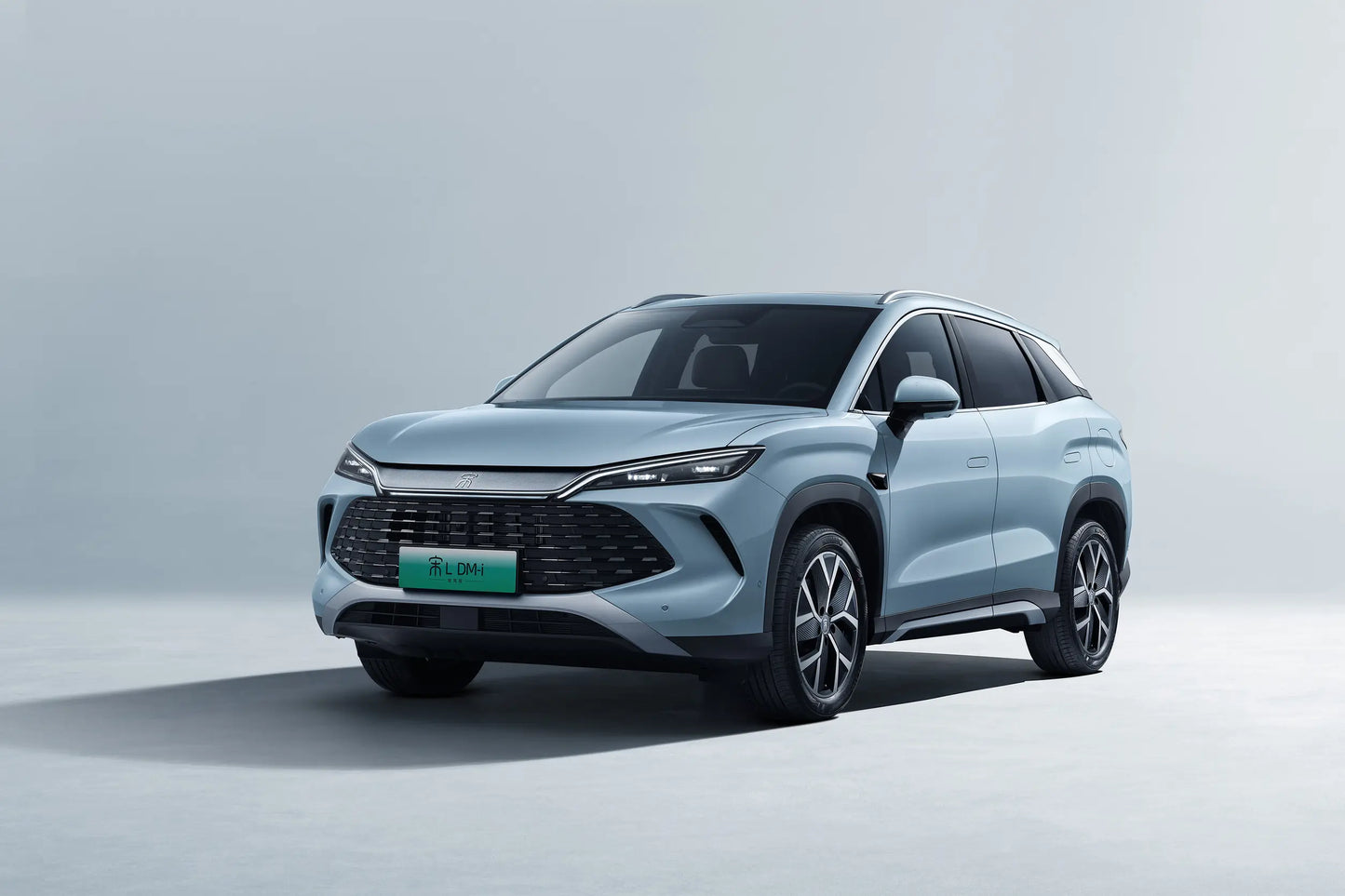
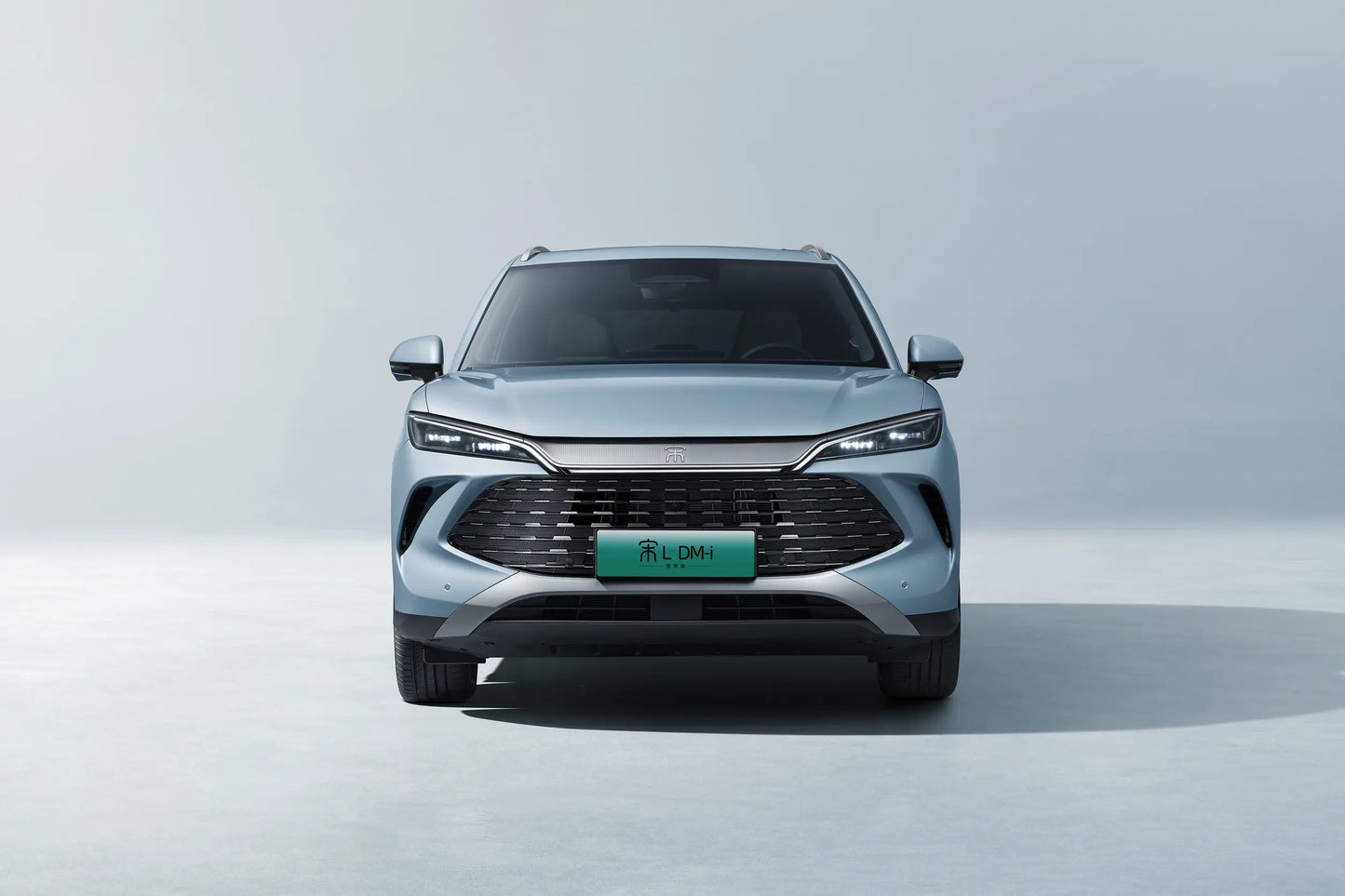
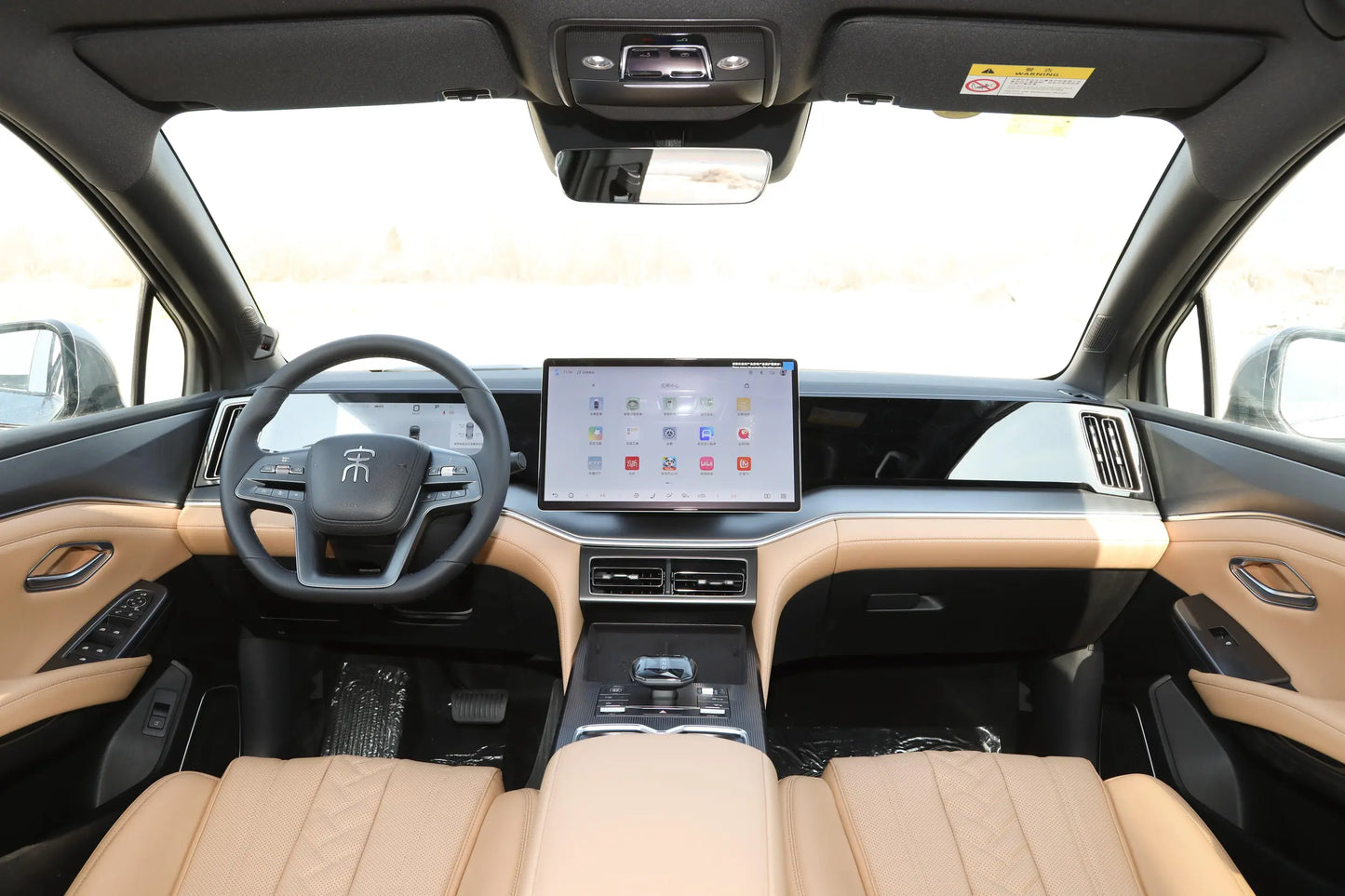
You can explore the vehicle’s exterior and interior design in detail via:
Technical Specifications — Powertrain, Range, Charging & Dimensions
Configuration
Model:Song L DM 2026 DM-i 130KM Superior Version
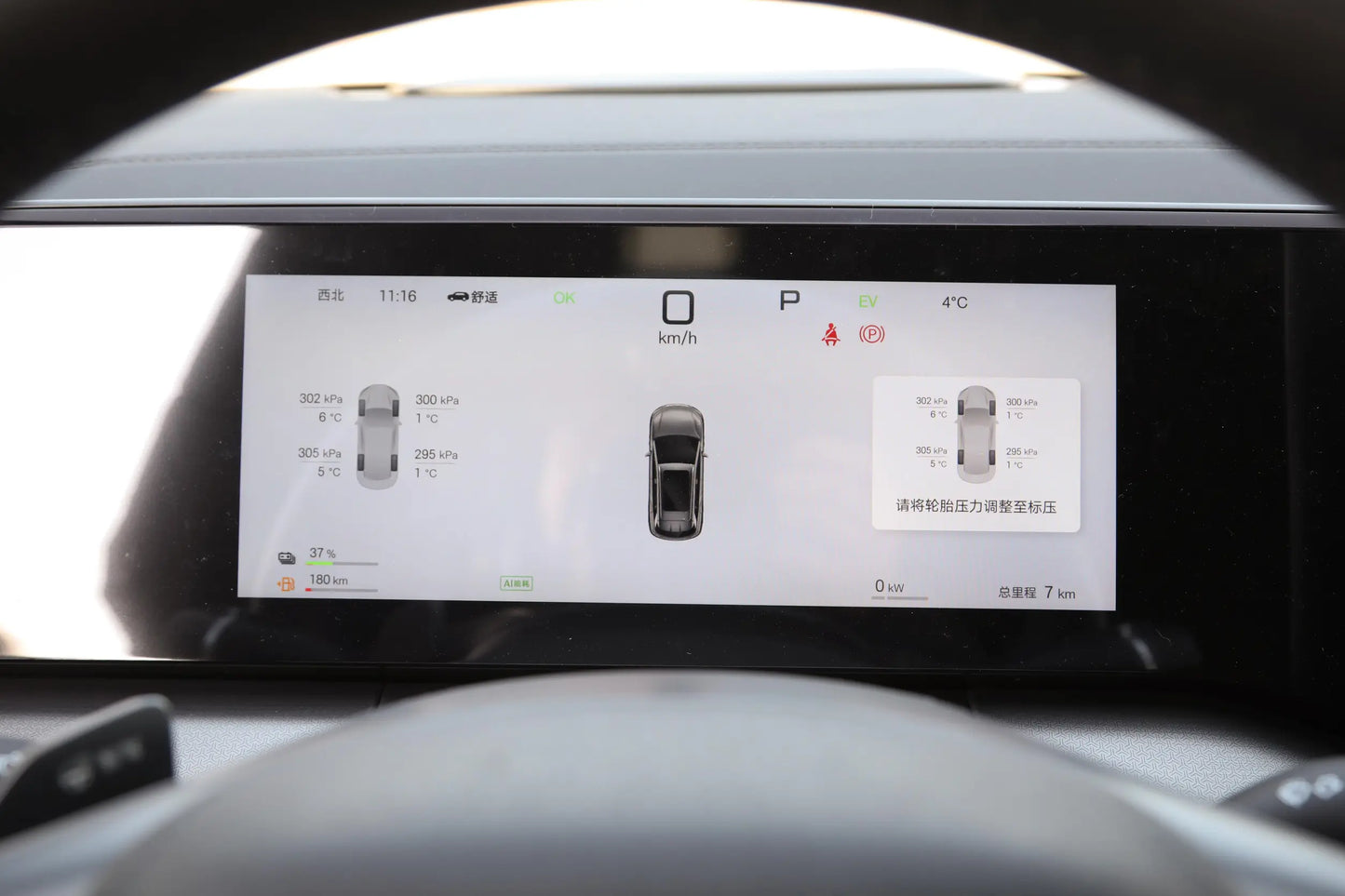
Driving Range (km) (CLTC): 130
Driving Range (km) (WLTP): 107 (Reference: EV Range Converter)
Charging Time (hours): 0.38 hours for fast charging, 5.5 hours for slow charging
100km Power Consumption (kWh/100km): 15.5
Battery Capacity (kWh): 18.3
Maximum Speed (km/h): 180
Vehicle Dimensions (mm): 4780x1898x1670
Operating Costs — Charging, Maintenance & Warranty Services
Charging Cost
Based on the global average residential electricity price of USD 0.17/kWh (Global Petrol Prices, 2025), Song L DM consumes approximately 15.5 kWh per 100 km, resulting in a charging cost of about $2.63 per 100 km.
Maintenance Cost
The average annual maintenance cost for an electric vehicle is approximately 30%–40% that of a fuel-powered vehicle.
Manufacturer Services
The vehicle warranty period is 6 years or 150,000 km (DCAR, 2025).
Global EV Incentives — International Subsidies & Policy Support
| Examples | |
| Germany | Motor tax exemption for EVs with less than 50g CO2/km emissions or at least 60km range (80km from 2025) until 2030. Privileges for electric cars on German roads, e.g. car parking and bus lane use. (Government of Germany, 2012) |
| Switzerland | Legislative revision including support for recharging stations, an extension of tax exemptions for electric and hydrogen trucks until 2030. (Swiss Federal Government, 2023) |
| Thailand | Tax reductions and exemptions for EVs to promote their deployment (Government of Thailand, 2022) |
| United Kingdom | ZEV mandate: 80% of new cars and 70% of new vans sold in Great Britain will be zero emission by 2030, increasing to 100% by 2035. Around 300 000 public chargers expected as a minimum by 2030 (Government of the United Kingdom, 2023) |
| United States | Alternative Fuel Vehicle Refueling Property Credit offers tax credits up to 30% (up to USD 1 000 for residences or up to USD 100 000 for business) for the installation of alternative fuelling equipment in low-income communities or non-urban areas (Government of the United States, 2023) |
| Mexico | Signatory to COP26 ZEV Declaration to work towards all sales of new cars and vans being zero emission globally by 2040. (Government of Mexico, 2022) |
| United Arab Emirates | Increase EV charging stations to 10 000 in 2030 and 30 000 by 2050. (Government of Dubai, 2023) |
| Brazil | National Green Mobility and Innovation Program ("MOVER") (Government of Brazil, 2024) |
For more, please refer to Global EV Policy Explorer to check the EV policies in your location (Global EV Policy Explorer, 2025)
Competitive Comparison-How Song L DM-i Performs Against Rival Hybrid SUVs
We have identified three competing models with a starting price difference of within $2,000 compared to the Song L DM. The comparison covers plug-in hybrid models such as Tesla Sea Lion 06DM, Fengyun T9, and Jetour Shanhai L7 PLUS, and by comparing their officially announced parameters, we find that the Song L DM stands out in terms of range and battery performance when compared with peer models in the same class.
-
Range & Energy Efficiency The CLTC range reaches 130km, while the Sea Lion 06DM (121km), Fengyun T9 (120km), and Jetour Shanhai L7 PLUS (121km) have shorter ranges. Among the four models, it has the best range, greatly reducing travel costs.
-
Charging Performance The fast charging time is 0.38 hours, on par with the Sea Lion 06DM, slightly slower than the Fengyun T9 (0.33h) and Jetour Shanhai L7 PLUS (0.32h). Its charging performance is moderate, but it is equipped with blade batteries and a low-temperature heating system, resulting in better control of range attenuation.
-
Power Performance The top speed is 180km/h, equal to that of the other three models. The maximum power is from an engine of 74 (101Ps) plus a motor of 160 (218Ps), which can meet daily travel needs.
-
Space & Practicality The body dimensions are 4780×1898×1670mm, with a wheelbase of 2782mm and a body width close to 1.9 meters. It is not crowded when carrying 5 people. The luggage compartment volume is 680-1550L, and its space loading capacity is slightly inferior to that of the Sea Lion 06DM (695-1630L) and Fengyun T9 (819-2065L). Its space performance focuses on meeting basic commuting needs.
-
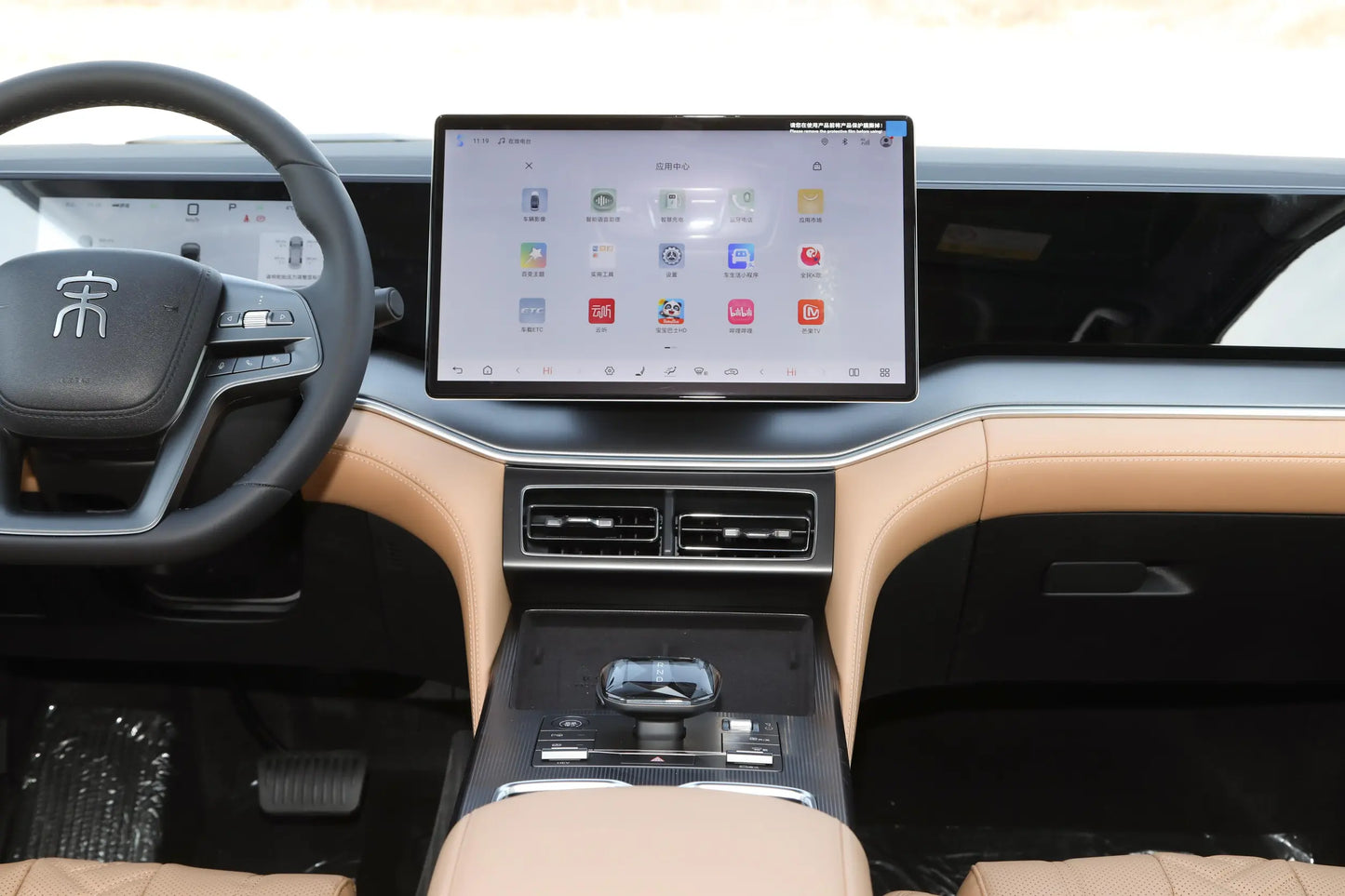
Comfort Configuration Both the main and co-driver seats are equipped with electric seats, and it is equipped with a 15.6-inch large screen, as well as the Yunzhi - C system and high-speed NOA, improving driving comfort. It is suitable for users who frequently drive on highways and have requirements for handling.
Summary & Verdict — Is the BYD Song L DM-i Worth Buying in 2026?
The technical advantages of the Song L DM are concentrated in low energy consumption and long range. With a CLTC range of 130km, it meets the "one charge per week" commuting needs of most users. Its comprehensive range generally exceeds 1,400km, eliminating the need for frequent refueling/recharging during long-distance self-driving trips. At the same time, it meets the diversified needs of families and young groups with its space and comfort configurations, making it a mainstream choice in the $20,000-level new energy market.
| Model / Parameter | Song L DM 2026 DM-i 130KM Superior Version | Sea Lion 06DM 2025 DM-i 121KM Navigation Edition | Fengyun T9 2025 120KM Long Range Premium Version (Lithium Iron Phosphate) | Jetour Shanhai L7 PLUS 2025 121km Five-seat Luxury Version |
| Driving Range (km) | 130 | 121 | 120 | 121 |
| Vehicle Dimensions (mm) | 4780×1898×1670, Wheelbase 2782 | 4810×1920×1675, Wheelbase 2820 | 4795×1930×1738, Wheelbase 2770 | 4810×1930×1705, Wheelbase 2820 |
| Number of Seats (units) |
5 (5-door 5-seat SUV) |
5 (5-door 5-seat SUV) | 5 (5-door 5-seat SUV) | 5 (5-door 5-seat SUV) |
| Trunk Capacity (L) | 680-1550 | 695-1630 | 819-2065 | Not Mentioned |
| Charging Time (hours) | Fast charging 0.38 hours (30-80%), Slow charging 5.5 hours | Fast charging 0.38 hours (30-80%), Slow charging not mentioned | Fast charging 0.33 hours (30-80%), Slow charging 3 hours | Fast charging 0.32 hours (30-80%), Slow charging not mentioned |
| Maximum Power (kW) | Engine 74 (101Ps) + Motor 160 (218Ps) | Engine 74 (101Ps) + Motor 160 (218Ps) | Engine 115 (156Ps) + Motor 150 (204Ps) | Engine 115 (156Ps) + Motor 150 (204Ps) |
| Maximum Torque (N·m) | Engine 126 + Motor 260 | Engine 126 + Motor 260 | Engine 220 + Motor 310 | Engine 220 + Motor 310 |
| Maximum Speed (km/h) | 180 | 180 | 180 | 180 |
| 100km Power Consumption (kWh/100km) | 15.5 | 15.3 | 16.5 | 17.5 |
| Battery Capacity (kWh) | 18.3 | 18.3 | 18.67 | 18.67 |
| Auto Hold | • Standard (AUTOHOLD) | • Standard (AUTOHOLD) | • Standard (AUTOHOLD) | • Standard (AUTOHOLD) |
| Driving Assistance Imaging | • Rearview Camera, • 360° Panoramic Imaging, • Front and Rear Parking Radar | • Rearview Camera, • 360° Panoramic Imaging, • Front and Rear Parking Radar | • Rearview Camera, • 360° Panoramic Imaging, • Transparent Imaging, • Front and Rear Parking Radar | • Rearview Camera, • 360° Panoramic Imaging, • Transparent Imaging, • Front and Rear Parking Radar |
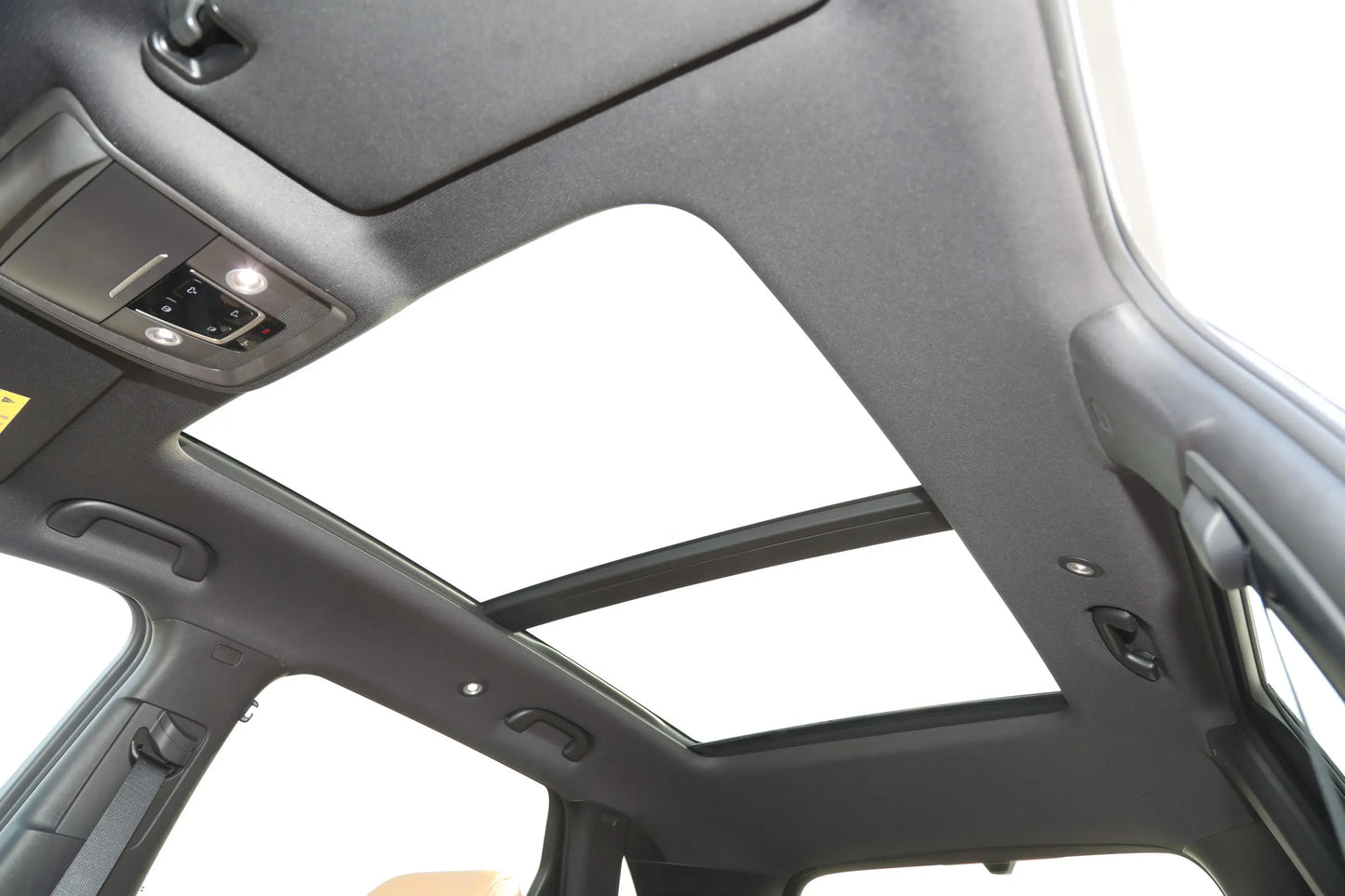
| Sunroof Type | • Openable Panoramic Sunroof | None | • Openable Panoramic Sunroof | • Openable Panoramic Sunroof |
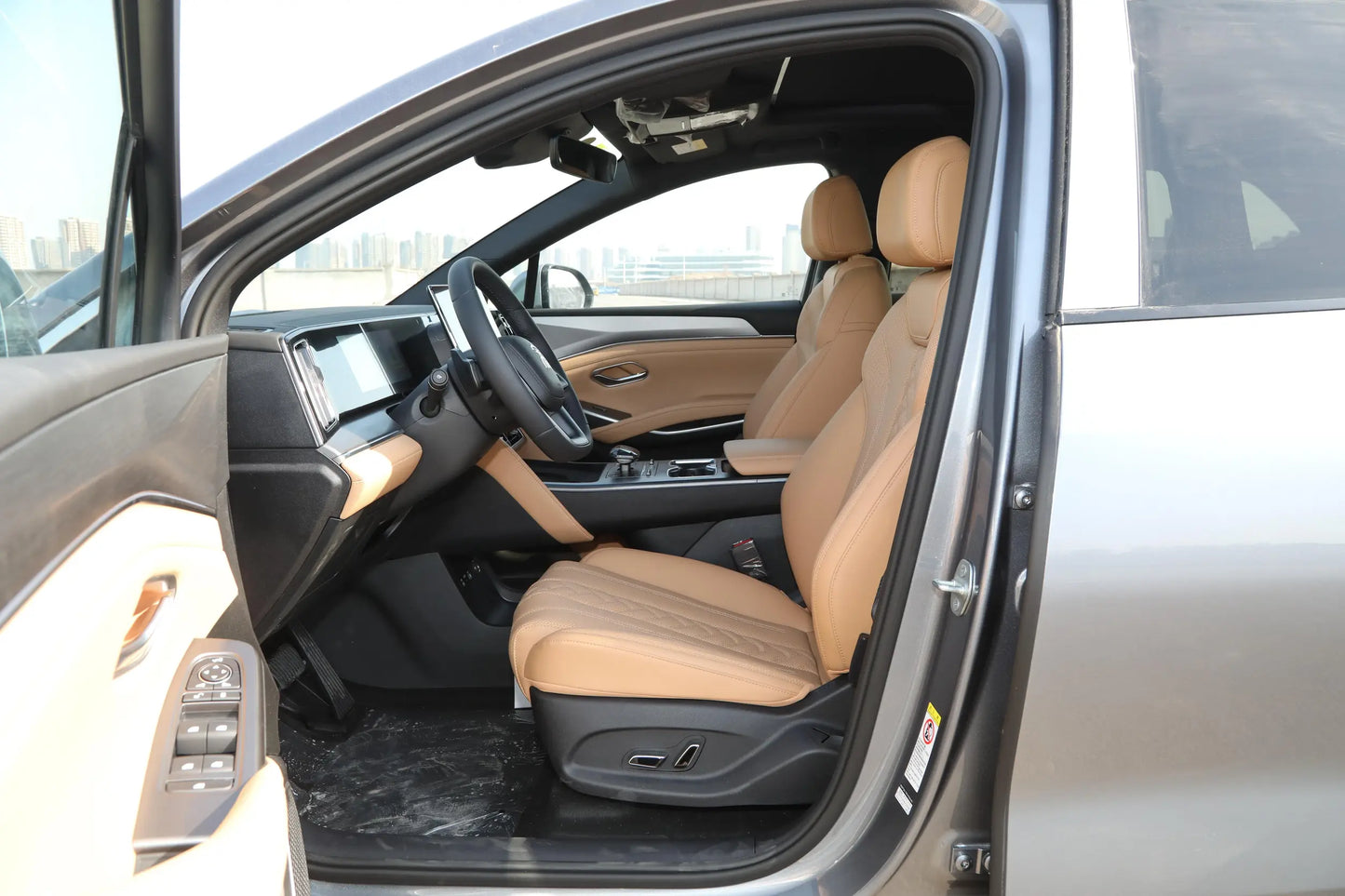
| Electric Seats | • Driver's Seat Electric Adjustment (Front/Rear + Backrest Angle + Height), • Co-driver's Seat Electric Adjustment (Front/Rear + Backrest Angle), • Front Seats Heating/Ventilation | • Driver's Seat Electric Adjustment (Front/Rear + Backrest Angle + Height), • Co-driver's Seat Electric Adjustment (Front/Rear + Backrest Angle), • Front Seats Heating/Ventilation | • Driver's Seat Electric Adjustment (Front/Rear + Backrest Angle + Height), • Co-driver's Seat Electric Adjustment (Front/Rear + Backrest Angle), • Front Seats Heating/Ventilation (Optional) | • Driver's Seat Electric Adjustment (Front/Rear + Backrest Angle + Height), • Co-driver's Seat Electric Adjustment (Front/Rear + Backrest Angle), • Front Seats Heating/Ventilation |
| Central Control Screen Size (Inches) | • 15.6 (LCD Screen) | • 15.6 (LCD Screen) | • 15.6 (LCD Screen, 2.5K Resolution) | • 15.6 (LCD Screen) |
Data Source: (DCAR, 2025)
Real-world Test Review — Performance, Economy & Driving Experience
Advantages:
-
Equipped with a 1.5L plug-in hybrid engine + electric motor, the official 0-100km/h acceleration time is 7.5-7.8 seconds. The power output is linear, making acceleration and overtaking easy. The steering feel is moderate, the chassis tuning is biased towards comfort, and the high-speed driving stability is good.
-
The mid-to-high configuration models of the 2026 version can achieve a pure electric range of 200km, with a battery capacity of 26.6 kWh. It supports 54kW fast charging and 6kW external discharge function. In the fuel-recharged state, the high-speed fuel consumption is about 5-7L/100km, and the comprehensive fuel consumption economy is better than that of peer fuel vehicles.
Areas for Improvement:
-
The center console of mid-to-low configuration models is mainly made of hard plastic, and only the high configuration provides suede material, resulting in insufficient touch and luxury. Some physical buttons have been canceled, and common functions such as air conditioning rely on voice or screen operation, which reduces convenience.
-
The suspension is relatively soft, with obvious body roll when cornering quickly, and there is a large steering wheel play, so the driving fun is weaker than that of peer SUV . The body is relatively heavy (curb weight exceeds 2 tons), and the flexibility in continuous curves is limited.
Test review from internal and third-party testing:
-
In pure electric mode, the electricity consumption is about 10-14 kWh/100km, which can meet the daily short-distance travel needs. The charging time is relatively short, and it can be fully charged in about 1 hour in fast charging mode, which is convenient and fast.
-
In the fuel-recharged state, the high-speed fuel consumption is about 5-7L/100km, and the comprehensive fuel consumption economy is better than that of peer fuel vehicles. The Yunzhi C and TBC high-speed tire blowout stabilization system improve driving safety, and the intelligent driving assistance system can reduce driving fatigue.
Real User Reviews — Positive & Negative Owner Feedback Breakdown
To quantify the real user experience of car owners, we conducted a structured survey on Song L DM owners at the highly influential DCAR Automotive Forum in 2025. A total of 298 valid questionnaires were collected in this survey. Through qualitative analysis of the feedback content, they were categorized into multiple positive feedback dimensions and negative feedback dimensions. There were 12 positive evaluation dimensions, with a total of 259 specific statements; and 11 negative evaluation dimensions, with a total of 39 specific statements. (DCAR, 2025).
Positive User Feedback — Space, Range & Overall Satisfaction
Excellent Space
Summary:The space capability is excellent, with ample leg and head space in both the front and rear rows, and high comfort.
Long-lasting Range
Summary:The range can meet the official standard and daily commuting needs, and the vehicle usage cost is low.
Negative User Feedback — Noise, Driving Assistance & Comfort Issues
Loud Noise
Summary: Tire noise is prominent during pure electric driving, and the engine sound is noticeable in hybrid mode.
Immature Intelligent Driving System
Summary:The intelligent driving assistance is not intelligent enough, and the response is not flexible enough when people shuttle or other vehicles cut in.
References
DCAR (2025). DCAR. Retrieved from https://www.dongchedi.com/auto/series/20041
EV Range converter (2025). EV Range converter. Retrieved from https://ev-range-standard-converter.web.app/
Global EV Policy Explorer (2025). Explore key policies and measures for EV deployment. Retrieved from https://www.iea.org/data-and-statistics/data-tools/global-ev-policy-explorer?utm_source=chatgpt.com
Global Petrol Prices (2025). World Average Electricity Prices, USD / kWh. Retrieved from https://www.globalpetrolprices.com/electricity_prices/