Vehicle Model Profile: Xiaomi YU7 (2025)

Vehicle Highlights
-
With a CLTC range of 835 km and energy consumption of only 13.3 kWh/100 km, it leads its class in range capability, effectively alleviating range anxiety.
-
A top speed of 240 km/h paired with an advanced suspension system ensures both high-speed stability and excellent absorption of minor road imperfections.
-
Standard panoramic imaging system and third-row power seats, along with 4 USB ports in the front row, deliver both technological practicality and comfort.
Please Note
-
Fast charging takes 0.35 hours, outperforming most rivals but still not reaching the industry's fastest charging standards.
-
Trunk volume and rear legroom are slightly constrained relative to the vehicle's dimensions, impacting overall comfort.
-
The automatic parking system's accuracy in recognizing non-standard parking spaces needs enhancement, and energy consumption control at high speeds could be further optimized.
Overview
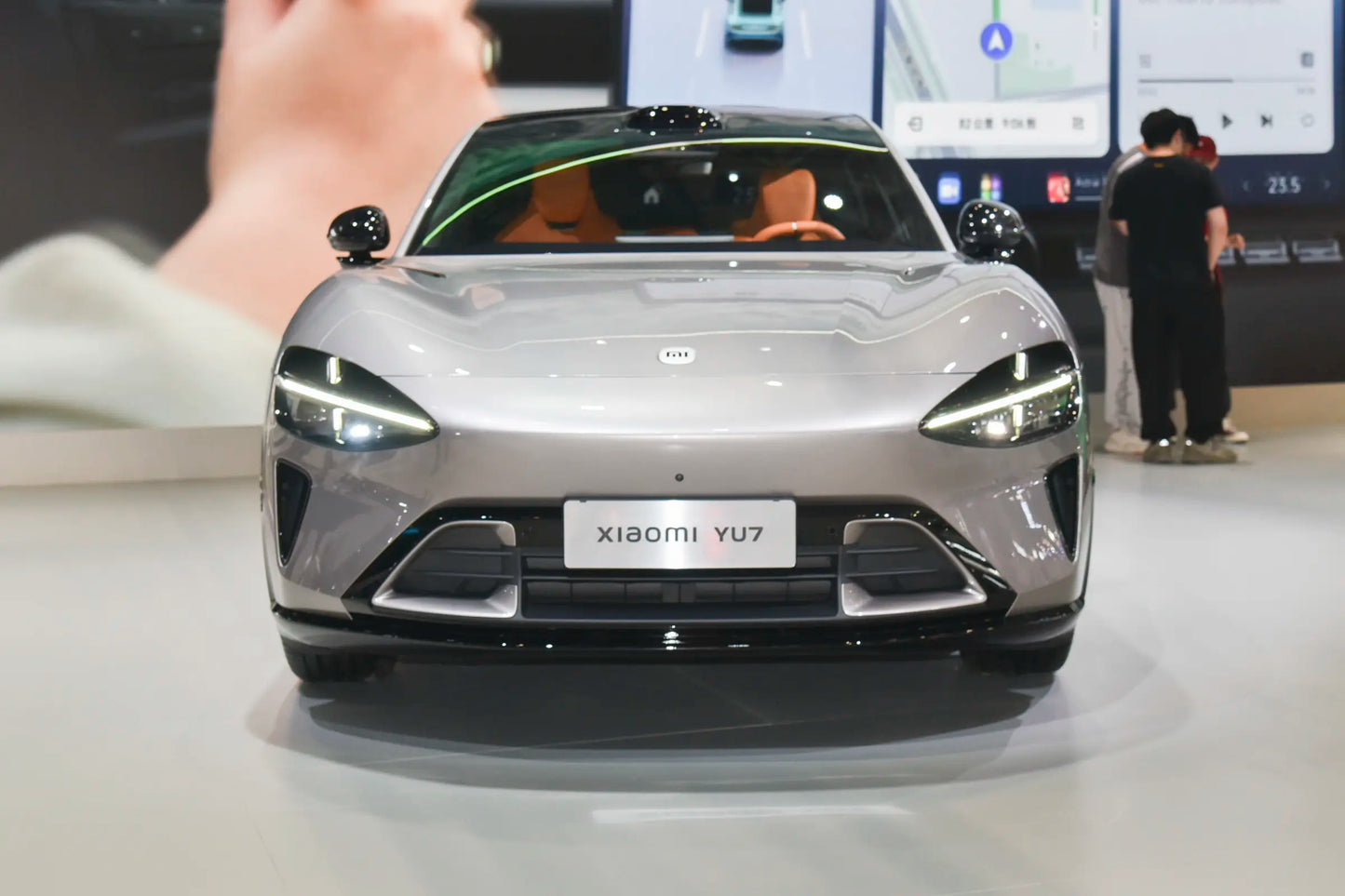
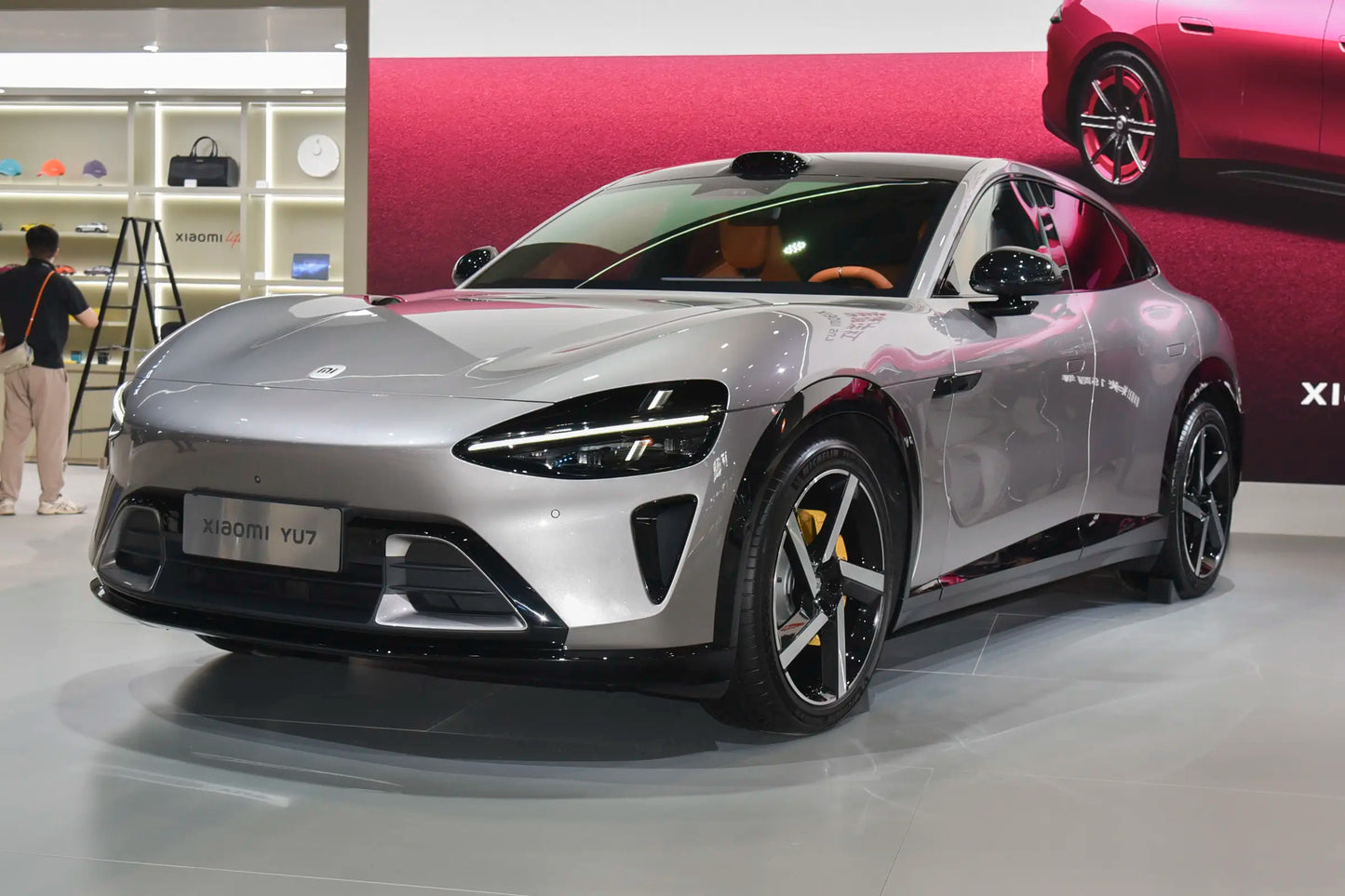
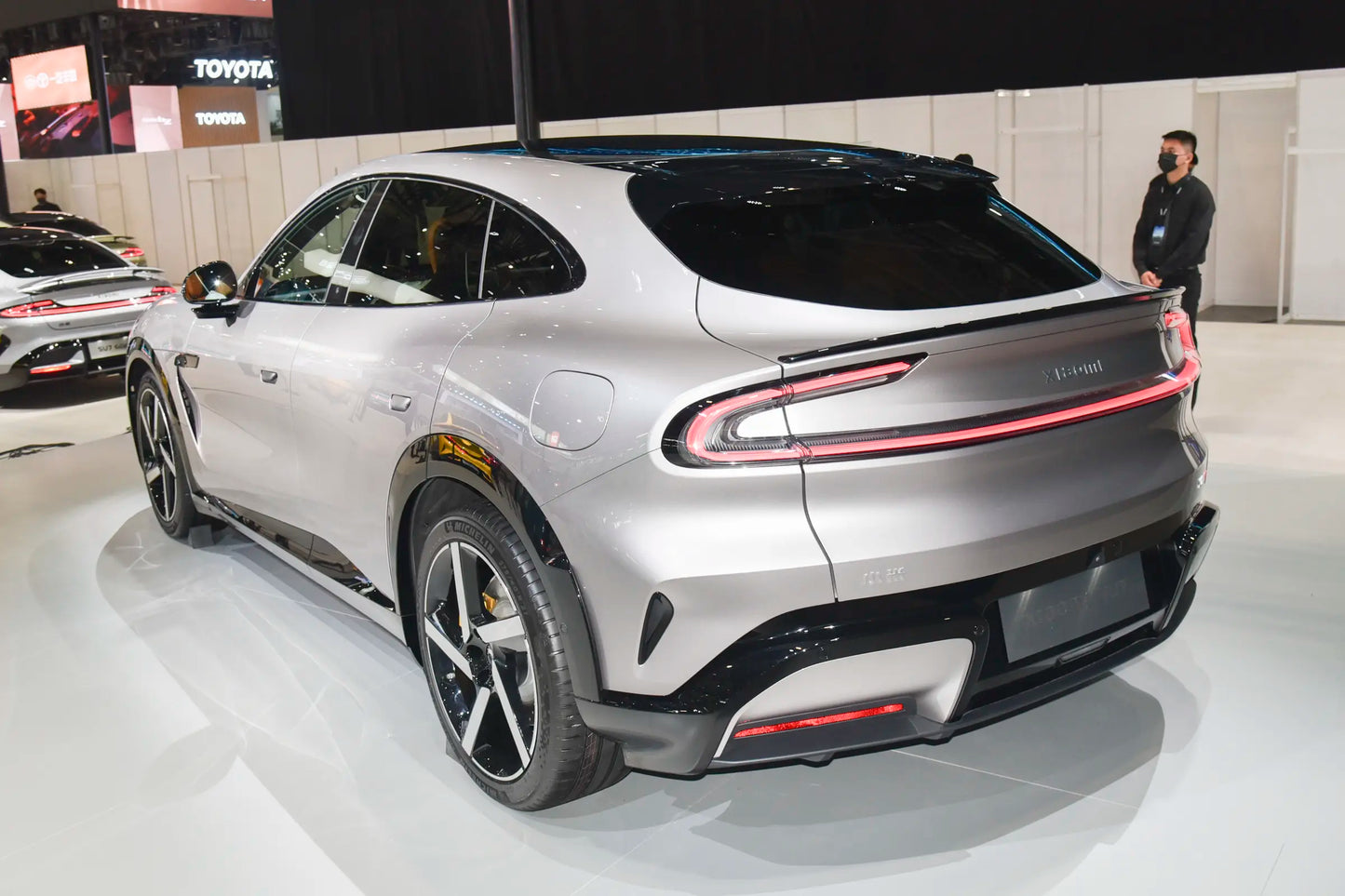
The Xiaomi YU7 is the second model under Xiaomi Auto, positioned as a mid-to-large-size all-electric SUV.
Market response post-launch has been highly enthusiastic: pre-orders exceeded 200,000 units within 3 minutes and reached 289,000 units within just 1 hour, setting a new industry record for single-model pre-orders. In terms of deliveries, 16,000 units were delivered in August alone, securing the top spot in mid-to-large-size SUV sales. Cumulative sales from Weeks 32 to 35 surpassed 15,000 units, demonstrating steadily improving delivery capacity.
The 2025 Xiaomi YU7 offers three range options: 760 km, 770 km, and 835 km. The starting price is approximately $35,600, with the top-tier model priced around $46,000, primarily targeting young consumers who seek a tech-enhanced lifestyle.
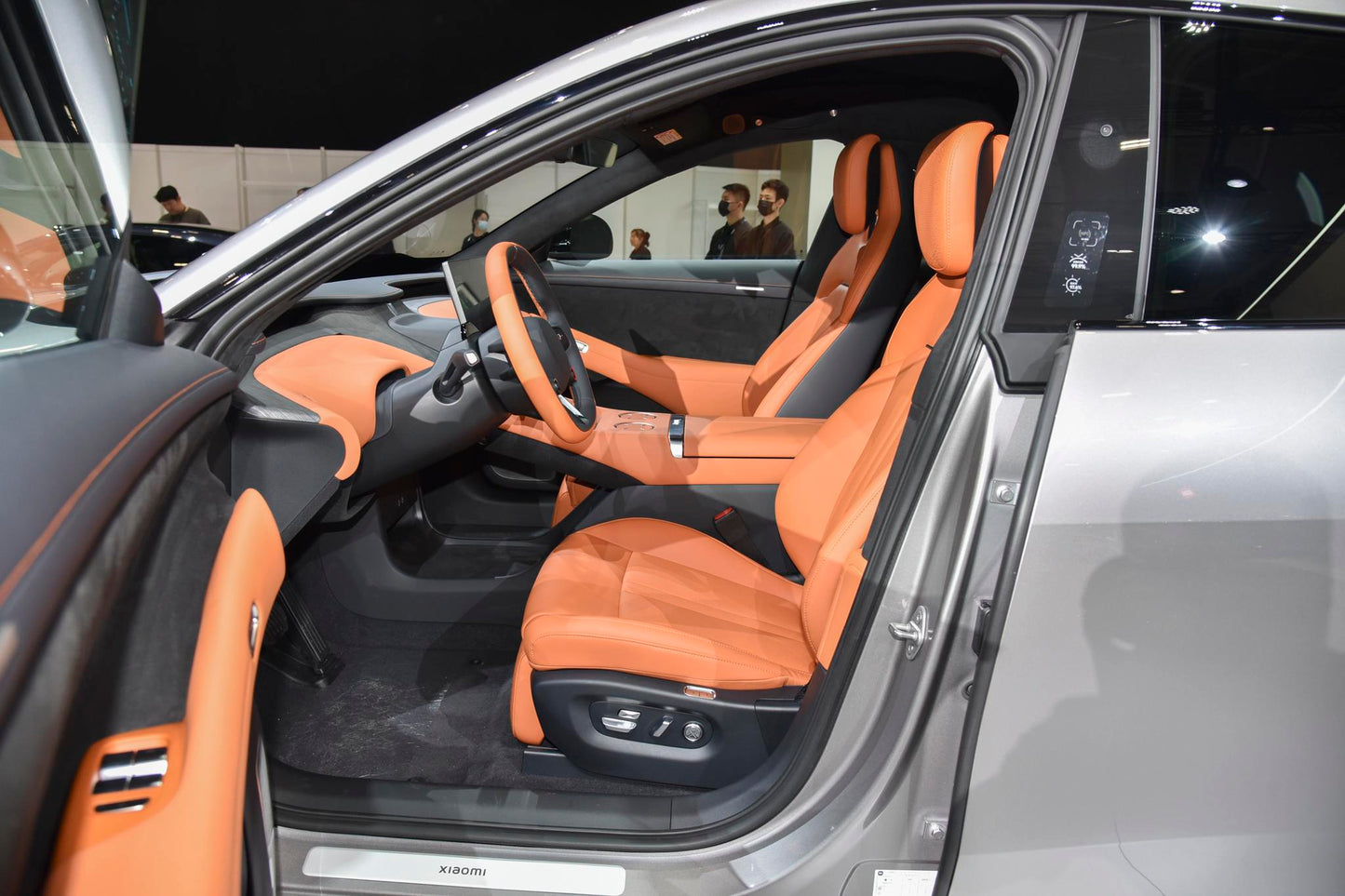
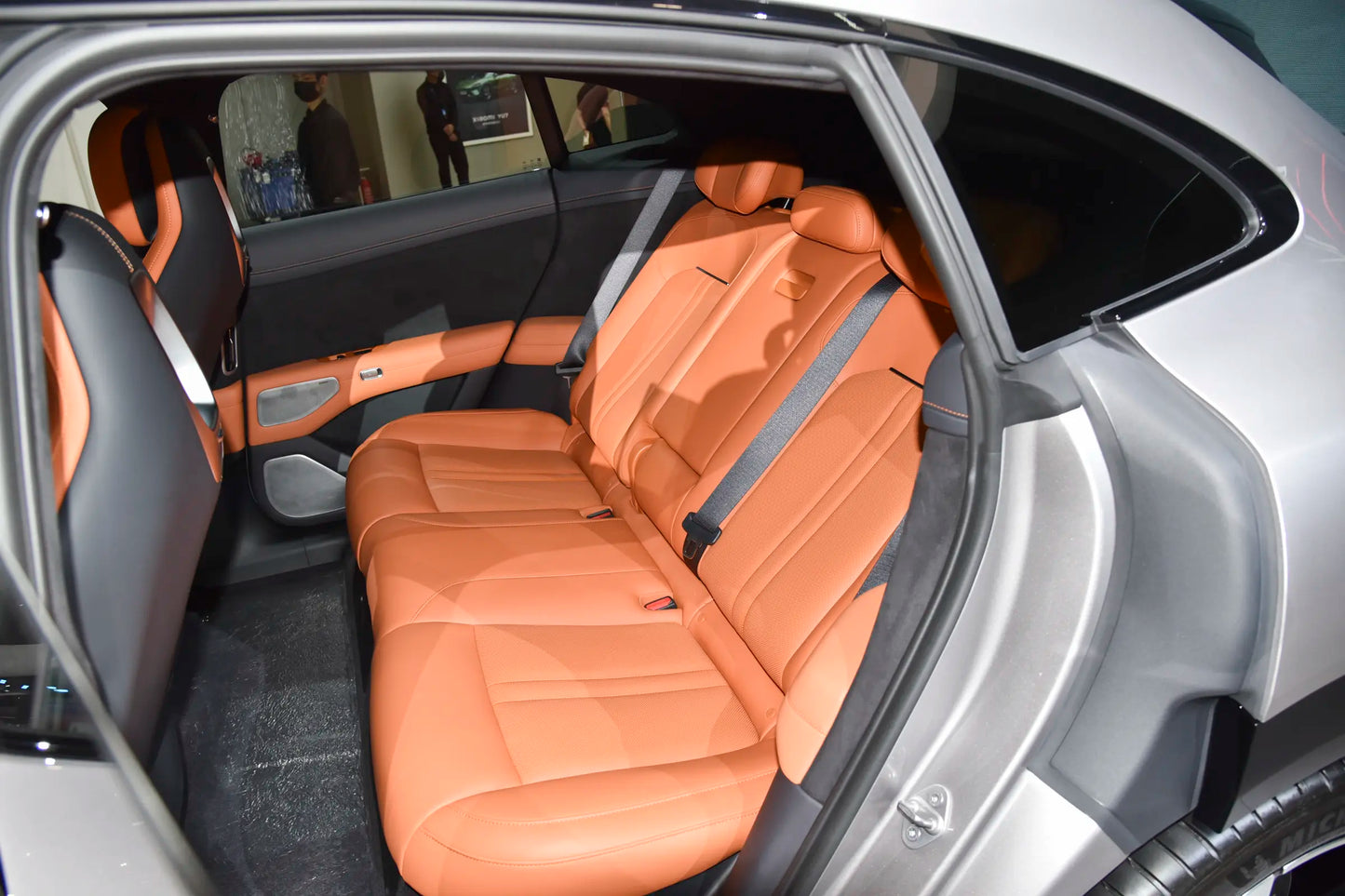
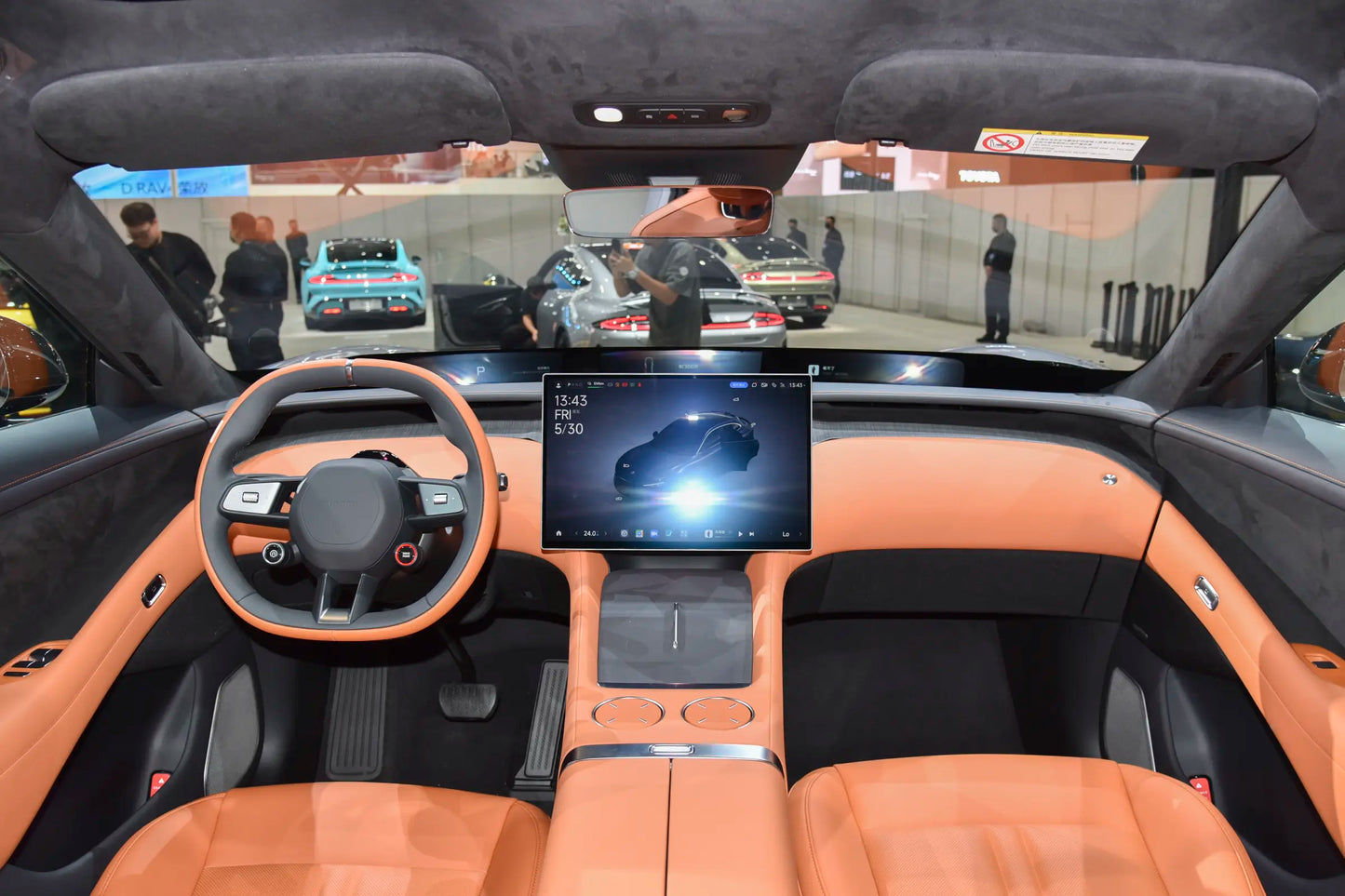
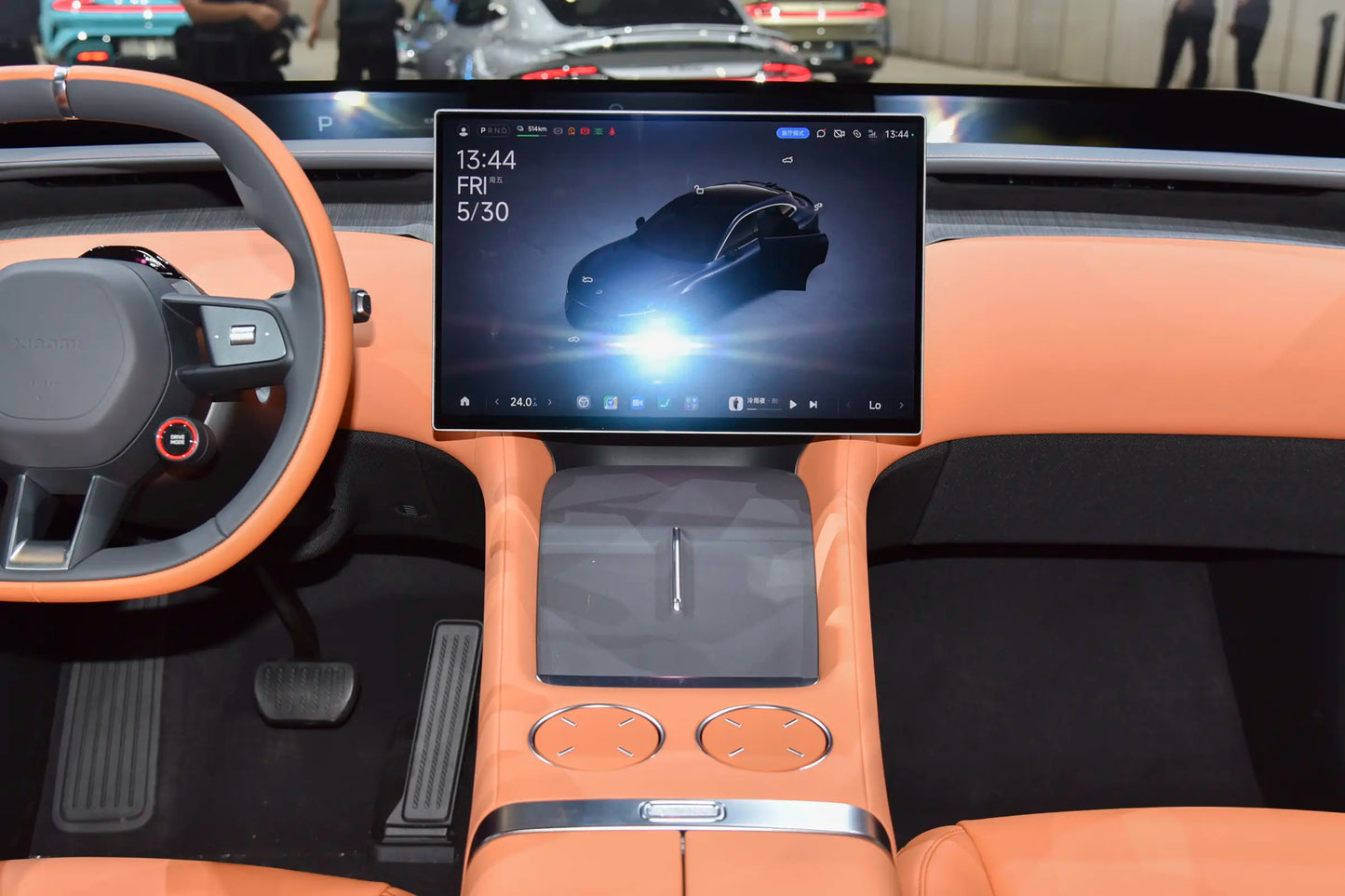
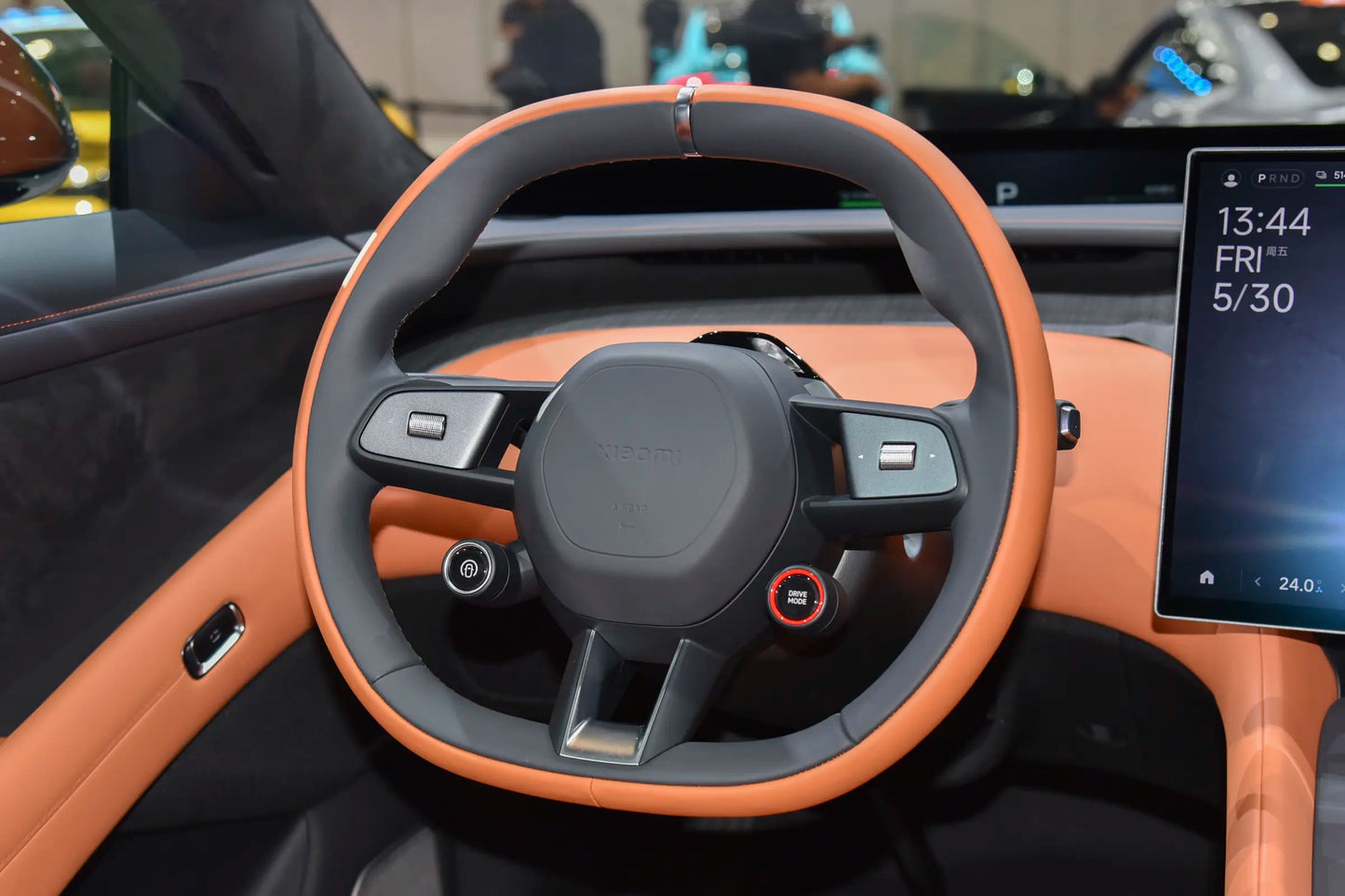
You can explore the vehicle’s exterior and interior design in detail via:
Basic Information
Configuration
Model: Xiaomi YU7 2025 Super Long Range RWD
Driving Range (km) (CLTC): 835
Driving Range (km) (WLTP): 685 (Reference: EV Range Converter)
Charging Time (hours): Fast charge 0.35 hours
100km Power Consumption (kWh/100km): 13.3
Battery Capacity (kWh): 96.3
Maximum Speed (km/h): 240
Vehicle Dimensions (mm): 4999 x 1996 x 1608
Maintenance Costs and Manufacturer Services
Charging Cost
Based on the global average residential electricity price of USD 0.17/kWh (Global Petrol Prices, 2025), the YU7 consumes approximately 13 kWh per 100 km, resulting in a charging cost of about $2.2 per 100 km.
Maintenance Cost
The average annual maintenance cost for an electric vehicle is approximately 30%–40% that of a fuel-powered vehicle.
Manufacturer Services
The vehicle warranty period is 5 years or 100,000 km (DCAR, 2025).
Subsidies and Policies
| Examples | |
| Germany | Motor tax exemption for EVs with less than 50g CO2/km emissions or at least 60km range (80km from 2025) until 2030. Privileges for electric cars on German roads, e.g. car parking and bus lane use. (Government of Germany, 2012) |
| Switzerland | Legislative revision including support for recharging stations, an extension of tax exemptions for electric and hydrogen trucks until 2030. (Swiss Federal Government, 2023) |
| Thailand | Tax reductions and exemptions for EVs to promote their deployment (Government of Thailand, 2022) |
| United Kingdom | ZEV mandate: 80% of new cars and 70% of new vans sold in Great Britain will be zero emission by 2030, increasing to 100% by 2035. Around 300 000 public chargers expected as a minimum by 2030 (Government of the United Kingdom, 2023) |
| United States | Alternative Fuel Vehicle Refueling Property Credit offers tax credits up to 30% (up to USD 1 000 for residences or up to USD 100 000 for business) for the installation of alternative fuelling equipment in low-income communities or non-urban areas (Government of the United States, 2023) |
| Mexico | Signatory to COP26 ZEV Declaration to work towards all sales of new cars and vans being zero emission globally by 2040. (Government of Mexico, 2022) |
| United Arab Emirates | Increase EV charging stations to 10 000 in 2030 and 30 000 by 2050. (Government of Dubai, 2023) |
| Brazil | National Green Mobility and Innovation Program ("MOVER") (Government of Brazil, 2024) |
For more, please refer to Global EV Policy Explorer to check the EV policies in your location (Global EV Policy Explorer, 2025)
Competitive Comparison
We have identified three pure electric models with a starting price within $2,000 of the Xiaomi YU7 and compared their officially published parameters. The comparison reveals that the Xiaomi YU7 demonstrates comprehensive advantages in long range, high performance, and technological features when competing against peers such as the Li i6, Tang L EV, and Zhijie R7 in the mid-to-large-size all-electric SUV segment.
-
Range & Energy Efficiency CLTC range of 835 km significantly surpasses the Li i6 (720 km), Tang L EV (670 km), and Zhijie R7 (667 km). Its energy consumption of 13.3 kWh/100 km is excellently controlled, second only to the Zhijie R7 (13.1 kWh/100 km), positioning its range capability at the leading level in its class.
-
Charging Performance Fast charging time of 0.35 hours outperforms the Li i6 and Zhijie R7 (both 0.25 hours) but is slower than the benchmark-setting Tang L EV (0.1 hours). Overall energy replenishment efficiency ranks in the upper-middle tier.
-
Power Performance Maximum power of 235 kW and a top speed of 240 km/h tie it for first place with the Tang L EV. Its power performance exceeds that of the Li i6 (180 km/h) and Zhijie R7 (200 km/h), meeting high-performance driving demands.
-
Space & Practicality Body dimensions of 4999x1996x1608 mm are slightly smaller than the Tang L EV. However, with a cargo capacity of 678-1758 L, its space expandability is stronger than the Li i6 (fixed 728 L) but weaker than the Zhijie R7 (837-2130 L), resulting in a well-balanced overall loading capability.
-
Tech Features Equipped with a panoramic imaging system, transparent chassis view, and blind spot monitoring with side camera. Its driving assistance functions match those of the Li i6 and surpass the Tang L EV, which lacks side camera monitoring, offering comprehensive imaging system configuration.
-
Comfort & Convenience Power-adjustable seats are provided for both front and second-row seats, matching the Li i6 and Zhijie R7 in terms of seat electrification coverage. A total of 6 USB/Type-C ports are available, with the front row offering 4 ports—the highest number among the compared models.
Summary
The Xiaomi YU7 excels in range, top speed, energy efficiency, and tech features, while offering balanced and practical space and charging capabilities. Although its charging speed does not lead the segment, its comprehensive configuration and outstanding performance make it a highly competitive model in the mid-to-large-size all-electric SUV market.
| Model / Parameter | Xiaomi YU7 2025 Super Long Range RWD | Li i6 2025 2WD Standard | Tang L EV 2025 670KM RWD LiDAR Premium | Zhijie R7 2026 Pure Electric Max |
| Basic Infomation | ||||
| Driving Range (km)(CLTC) | 835 | 720 | 670 | 667 |
| Charging Time (hours) | Fast charging 0.35 hours | Fast charging 0.25 hours | Fast charging 0.1 hours, Slow charging 14.36 hours | Fast charging 0.25 hours |
| Maximum Power (kW) | 235(320Ps) | 250(340Ps) | 500(680Ps) | 215(292Ps) |
| Maximum Torque (N·m) | 528 | 425 | 420 | 396 |
| Maximum Speed (km/h) | 240 | 180 | 240 | 200 |
| Body | ||||
| Vehicle Dimensions (mm) | 4999x1996x1608 | 4950x1935x1670 | 5040x1996x1760 | 4982x1981x1650 |
| Number of Seats (units) | 5 | 5 | 7 | 5 |
| Trunk Capacity (L) | 678-1758 | 728 | 1960 | 837-2130 |
| Battery | ||||
| 100km Power Consumption (kWh/100km) | 13.3 | 13.6 | 17.4 | 13.1 |
| Battery Capacity (kWh) | 96.3 | 87.3 | 100.53 | 82 |
| Additional Features | ||||
| Auto Hold | Standard Equipment | Standard Equipment | Standard Equipment | Standard Equipment |
| Driver Assistance Camera | ● Rearview Camera ● 360° Panoramic View ● Transparent Chassis View ●Blind Spot Monitoring with Side Camera | ● Rearview Camera ● 360° Panoramic View ● Transparent Chassis View ●Blind Spot Monitoring with Side Camera | ● Rearview Camera ● 360° Panoramic View | ● Rearview Camera ● 360° Panoramic View ● Transparent Chassis View |
| Sunroof Type | Fixed Panoramic Sunroof | Fixed Panoramic Sunroof | Fixed Panoramic Sunroof | Fixed Panoramic Sunroof |
| Power Seats | ● Driver Seat ● Passenger Seat ● Second Row | ● Driver Seat ● Passenger Seat ● Second Row | ● Driver Seat ● Passenger Seat | ● Driver Seat ● Passenger Seat ● Second Row |
| Drive Mode Selection | ●Sport ●Snow ●ECO/Economy ●Standard/Comfort ●Custom ●Launch Mode | ●Sport ●ECO/Economy ●Standard/Comfort | ●Sport ●Snow ●ECO/Economy ●Standard/Comfort | ●Sport ●ECO/Economy ●Standard/Comfort ●Custom |
| Power Windows | Front and Rear | Front and Rear | Front and Rear | Front and Rear |
| Number of USB/Type-C Ports | 4 (Front) and 2 (Rear) | 2 (Front) and 2 (Rear) | 2 (Front) and 2 (Rear) | 2 (Front) and 2 (Rear) |
Data Source: (DCAR, 2025)
Real-world Review
Advantages:
-
Excellent high-speed driving range among peers, strong acceleration and braking performance, and handling that balances comfort and fun.
-
Smooth operation of cockpit screens, ample space, comfortable seats, and fast charging relieves range anxiety.
Areas for Improvement:
-
The audio sound quality is dry with unbalanced bass, making it difficult to meet the needs of demanding users.
-
Inconvenient storage of rear seat belts, uneven gaps in the trunk tailgate, and low position of the frunk (front trunk) opening button; the detailed design needs optimization.
Test review from internal and third-party testing:
-
In sports mode, with the air conditioner on, the Xiaomi YU7 Max drove a total of 483km on the highway before the displayed battery life returned to zero. Calculated based on the driving time of 4 hours and 51 minutes, the Xiaomi YU7 Max tested an average speed of 99.6km/h, and its high-speed endurance is reliable.
-
Xiaomi YU7 has been tested through extreme temperatures and high altitude challenges, such as Turpan at 53 degrees Celsius and Heihe at -41 degrees Celsius, as well as the Ali region of Tibet at an altitude of 5,380 meters.
Real User Reviews
To quantify the user experience of real car owners, we conducted a structured questionnaire survey of Xiaomi YU7 2025 owners at the highly influential DCAR Automotive Forum in 2025. A total of 78 valid responses were collected. Through qualitative analysis of the responses, we categorized them into 11 clear positive feedback dimensions, encompassing 55 specific statements, and 11 negative feedback dimensions, encompassing 23 specific statements (DCAR, 2025).
Positive Feedback
Excellent Overall Space
Summary: Both the frunk (front trunk) and rear trunk have strong storage capacity, and the seating space is generous, easily accommodating luggage and gear for multi-person family trips.
Excellent Range and Performance
Summary: Acceleration is linear and stable, the range is reliable, effectively alleviating range anxiety.
Great Driving Experience
Summary: It effectively filters out road bumps, and performs exceptionally well in terms of stability and quietness when driving at high speeds.
Negative Feedback
Small Rear Seat and Trunk Space
Summary: The rear trunk’s storage space is limited, and the rear seat legroom is slightly cramped, which affects comfort when the car is fully occupied.
Unstable High-Speed Driving Performance
Summary: Energy consumption rises significantly when driving at high speeds, and there is room for improvement in controlling the vehicle’s posture during sudden acceleration with high horsepower.
Unsatisfactory Automatic Parking
Summary: It does not identify obstacles like curbs accurately enough, and the success rate of identifying non-standard parking spaces needs improvement.
References
DCAR (2025). "DCAR". https://www.dongchedi.com/auto/series/20041
EV Range converter (2025). "EV Range converter". https://ev-range-standard-converter.web.app/
Global EV Policy Explorer (2025). "Explore key policies and measures for EV deployment". https://www.iea.org/data-and-statistics/data-tools/global-ev-policy-explorer?utm_source=chatgpt.com
Global Petrol Prices (2025). "World Average Electricity Prices, USD / kWh". https://www.globalpetrolprices.com/electricity_prices/