Vehicle Model Profile: XPENG P7

Vehicle Highlights
-
Leading Range and Energy Efficiency: The CLTC range reaches 702km, with an electricity consumption of only 12kWh per 100km, resulting in low electricity costs and worry-free driving. The fast-charging time is only 0.2 hours.
-
Strong Power Performance: It has strong power, with a maximum power of 270kW and a top speed of 230km. The acceleration is smooth, and both start-up and high-speed overtaking experiences are well-received.
-
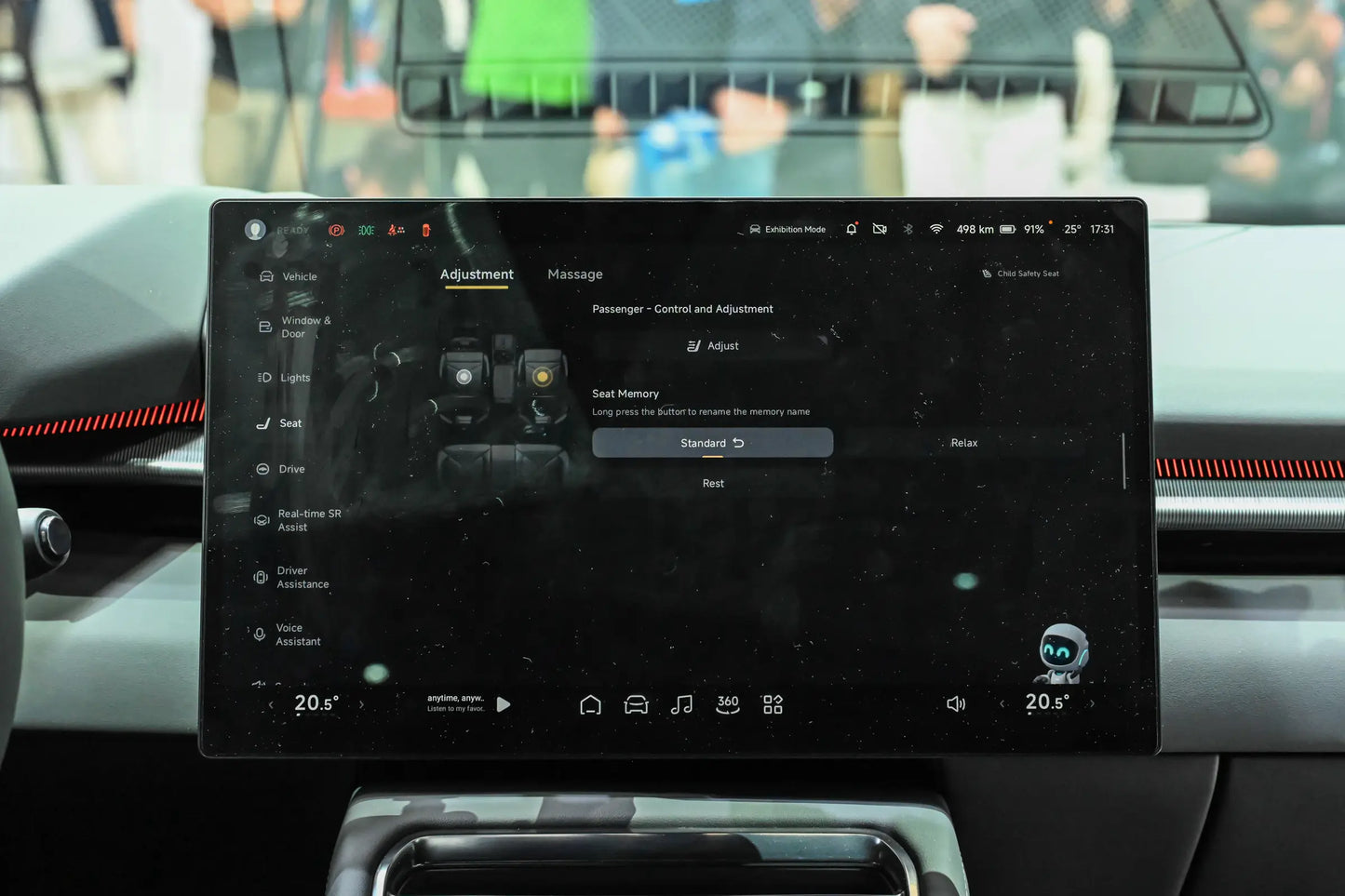
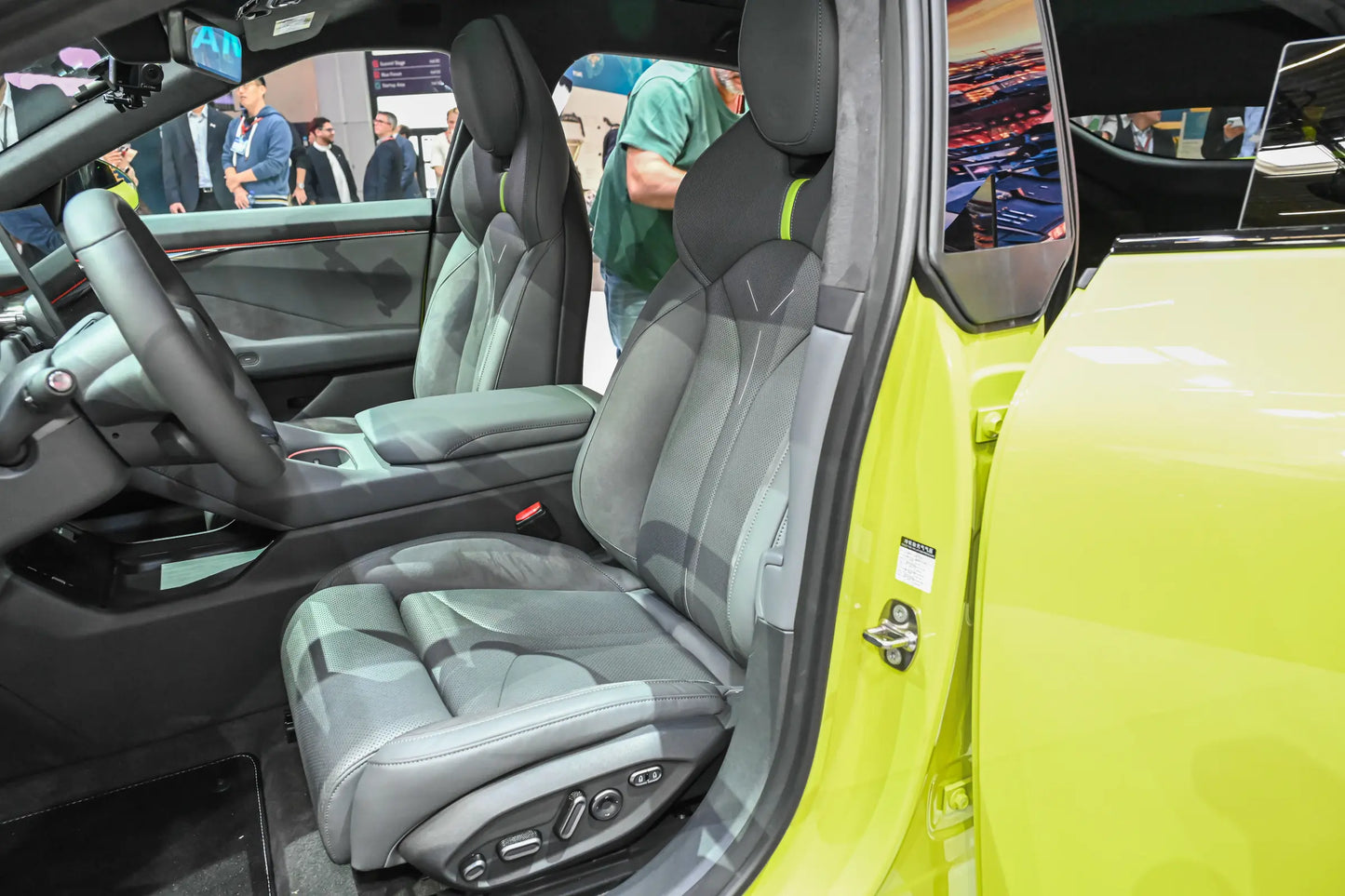
Comprehensive Practical Configurations: The entire series is standard-equipped with an 800V high-voltage platform, 5C super-charging battery, front seats with heating/ventilation/memory and welcome mode, providing high comfort. It also has rich auxiliary functions, with LCC as standard.
Please Note
-
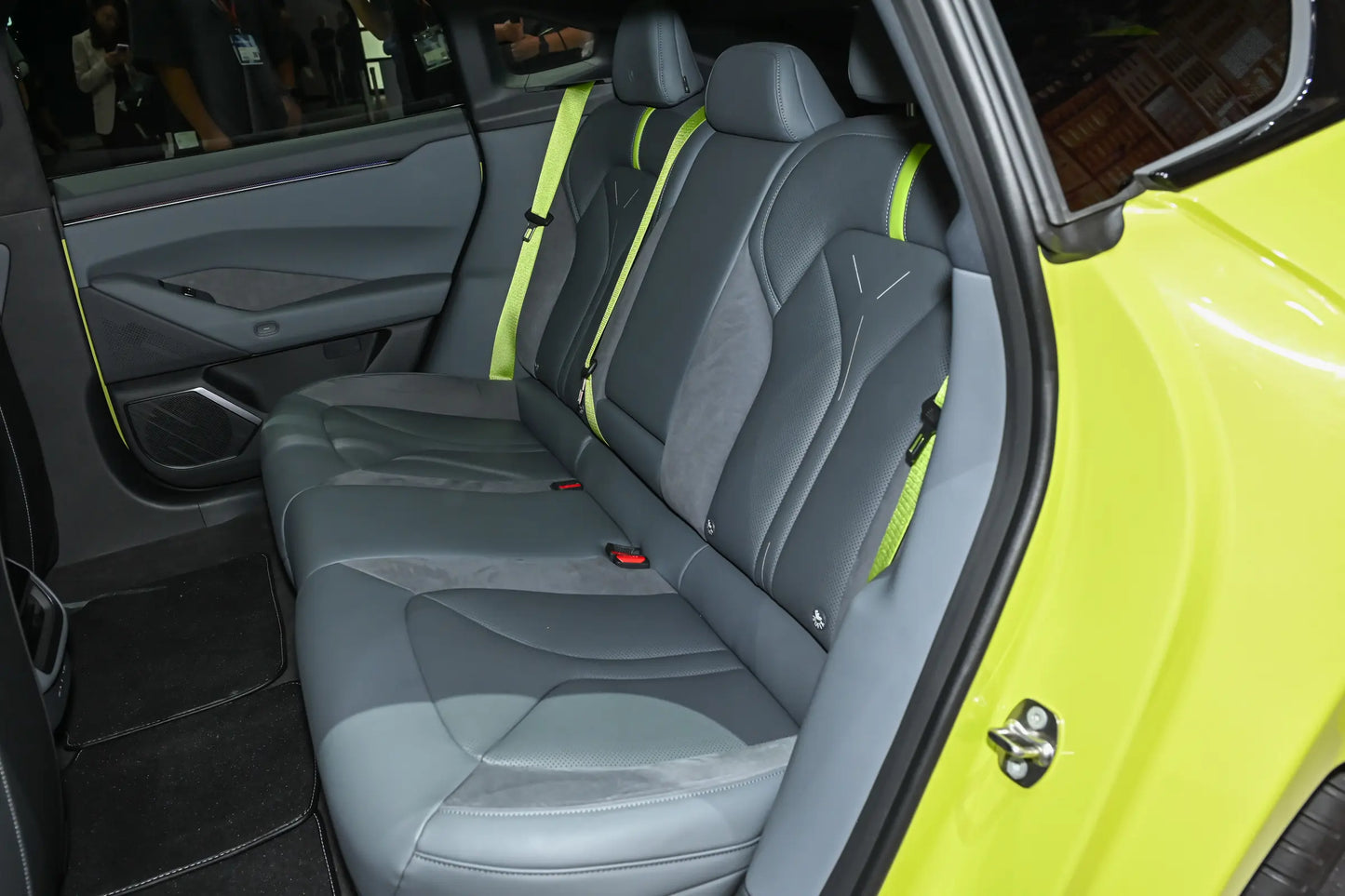
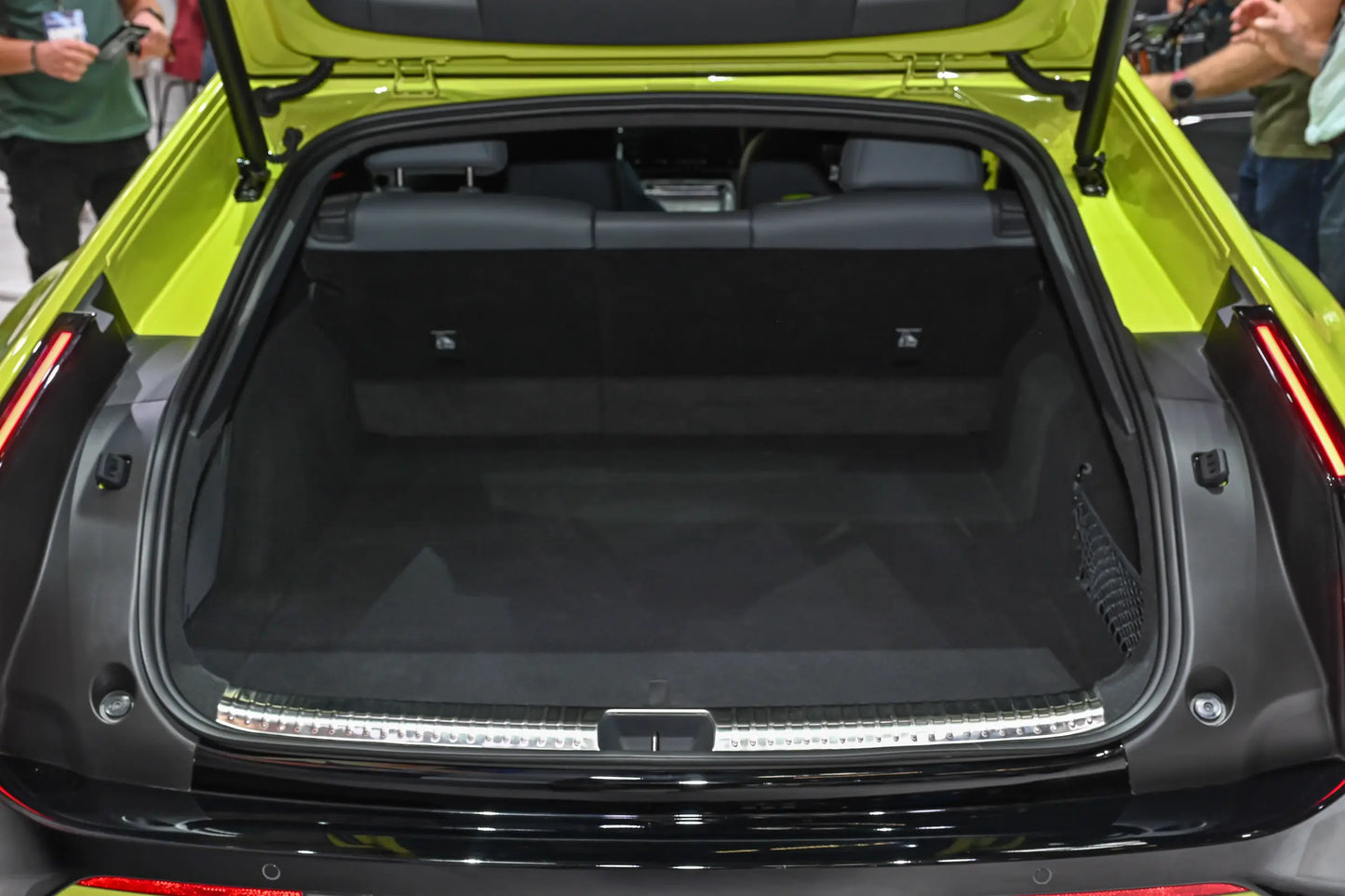
Limited Space Performance: Affected by the fastback design, the rear headroom, longitudinal space and trunk space are compressed. The seat cushions are relatively short, and the overall space between the driver's seat and the rear row is relatively small.
-
Pure electric vehicles generally have the problem of range attenuation in winter. In an environment around minus ten degrees Celsius, the actual range may only reach about 70% of the nominal range. It is recommended to choose the long-range version in cold regions in winter.
-
Some car owners have reported abnormal noises from the car's components during daily use, but it does not affect the use of the vehicle. Users sensitive to noise should consider it carefully.
Overview
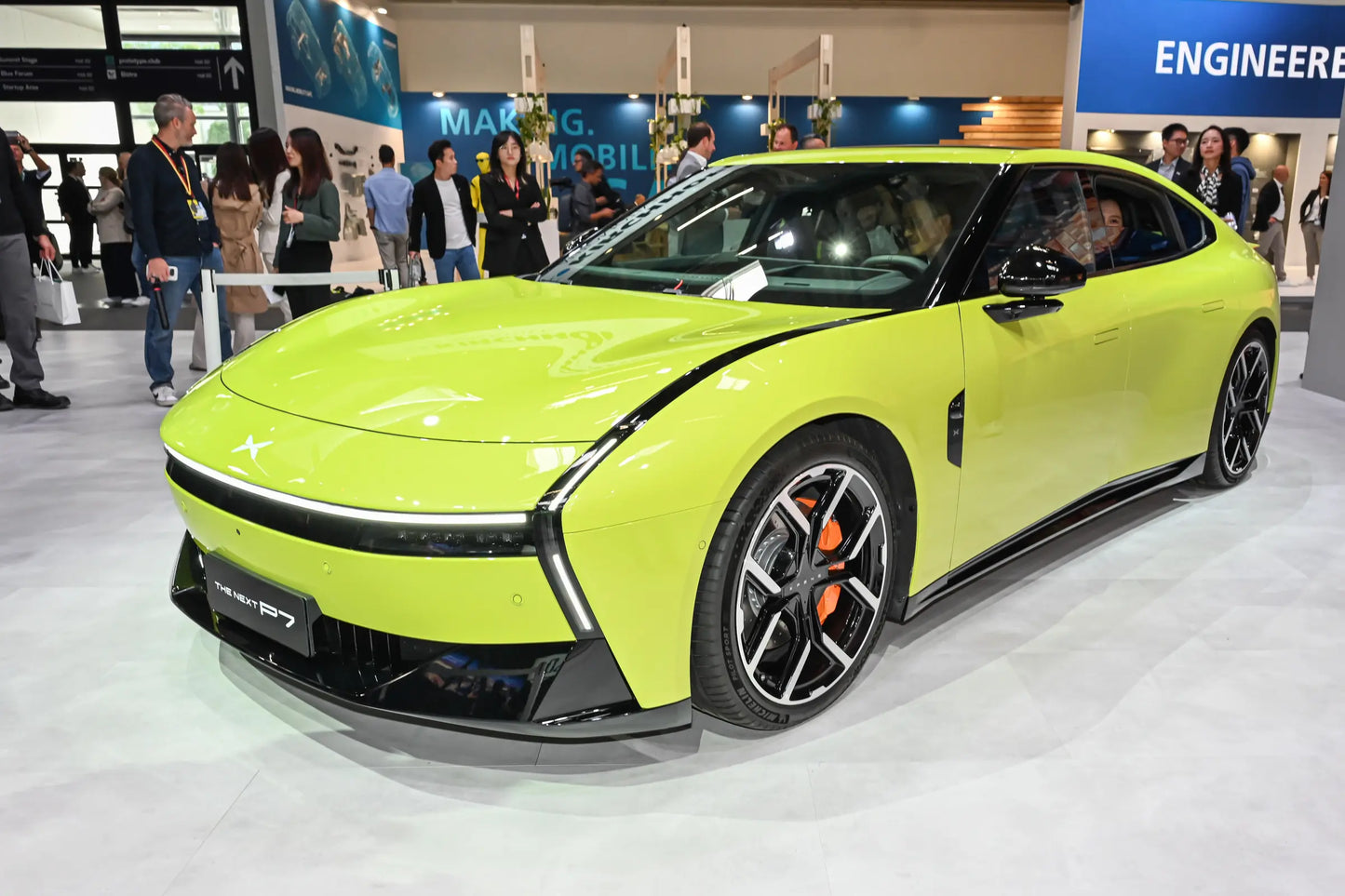
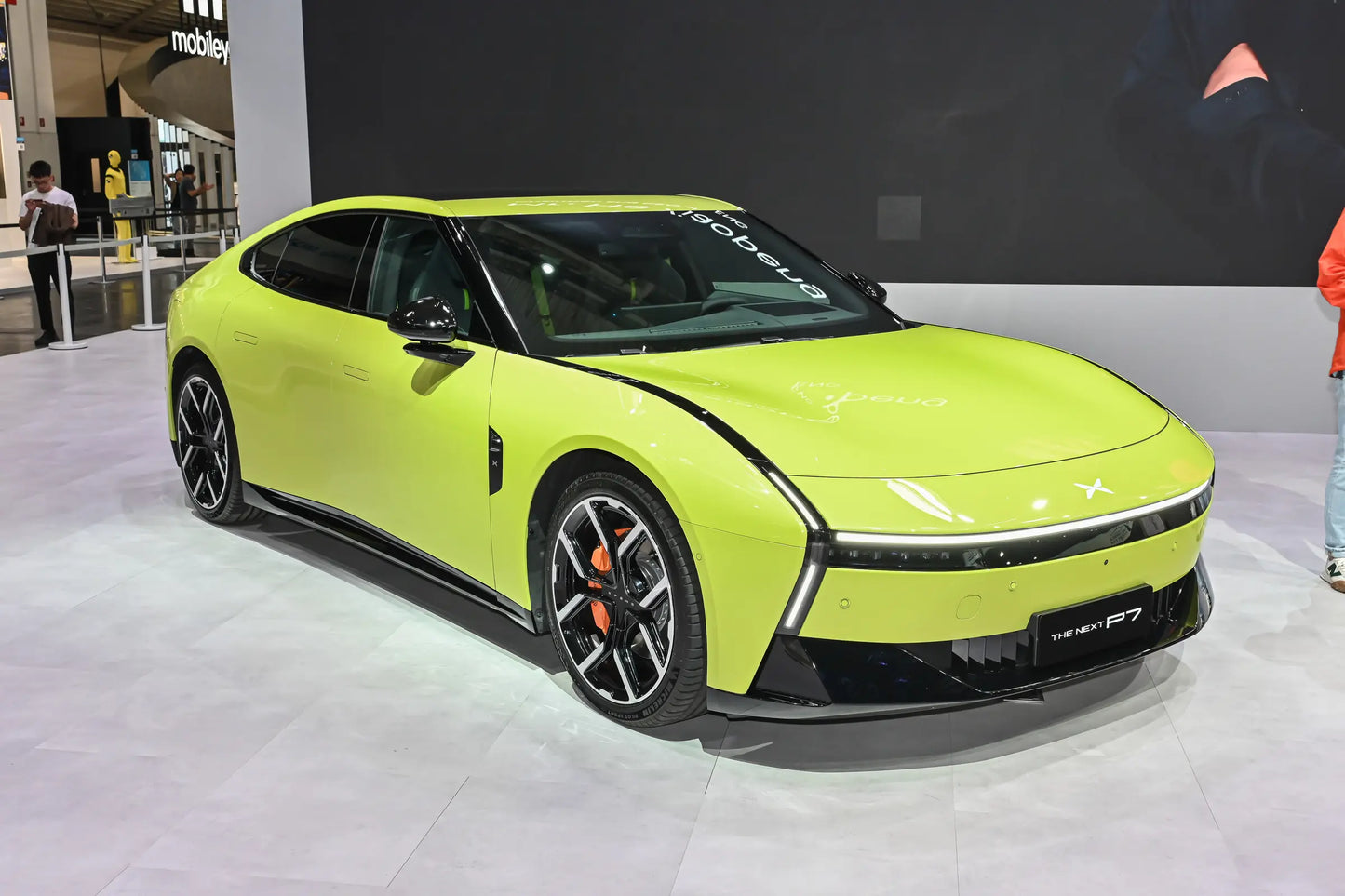
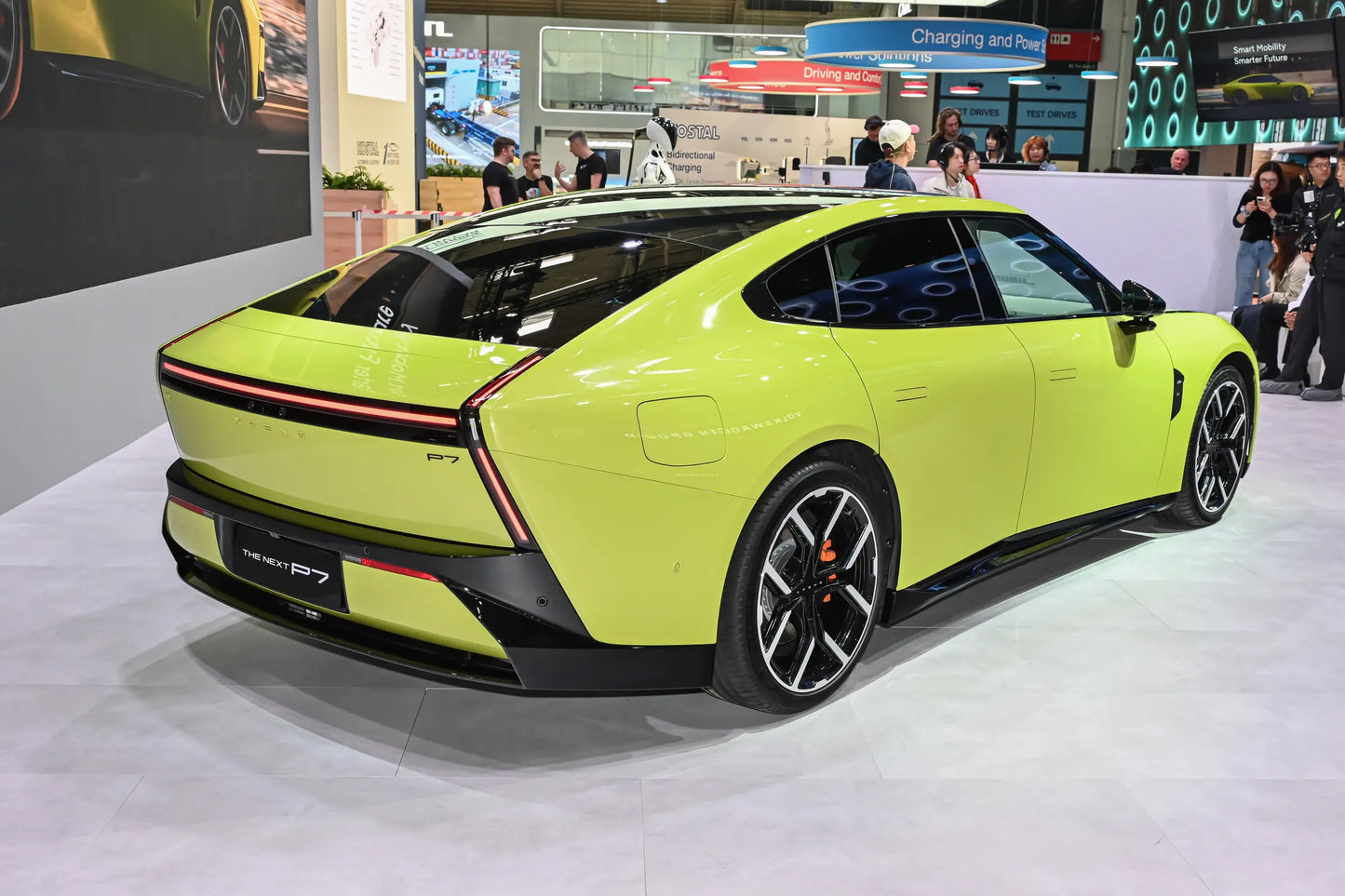
The XPENG P7 is a mid-size pure electric fastback sedan launched by XPENG Motors. As the brand's second product and first sedan, it is positioned in the mid-to-high-end new energy vehicle market.
The all-new XPENG P7 was launched on August 27, 2025, and saw a sharp increase in orders after its launch. The number of large orders exceeded 200,000 units within 3 minutes, and reached 289,000 units within 1 hour, directly setting a new industry record for large orders of a single model.
The XPENG P7 has released four models, with a range of 702km, 750km, and 820km to choose from. The starting price is approximately $31,400, and the top-of-the-line model is approximately $43,100, mainly targeting young users who value quality and driving control.
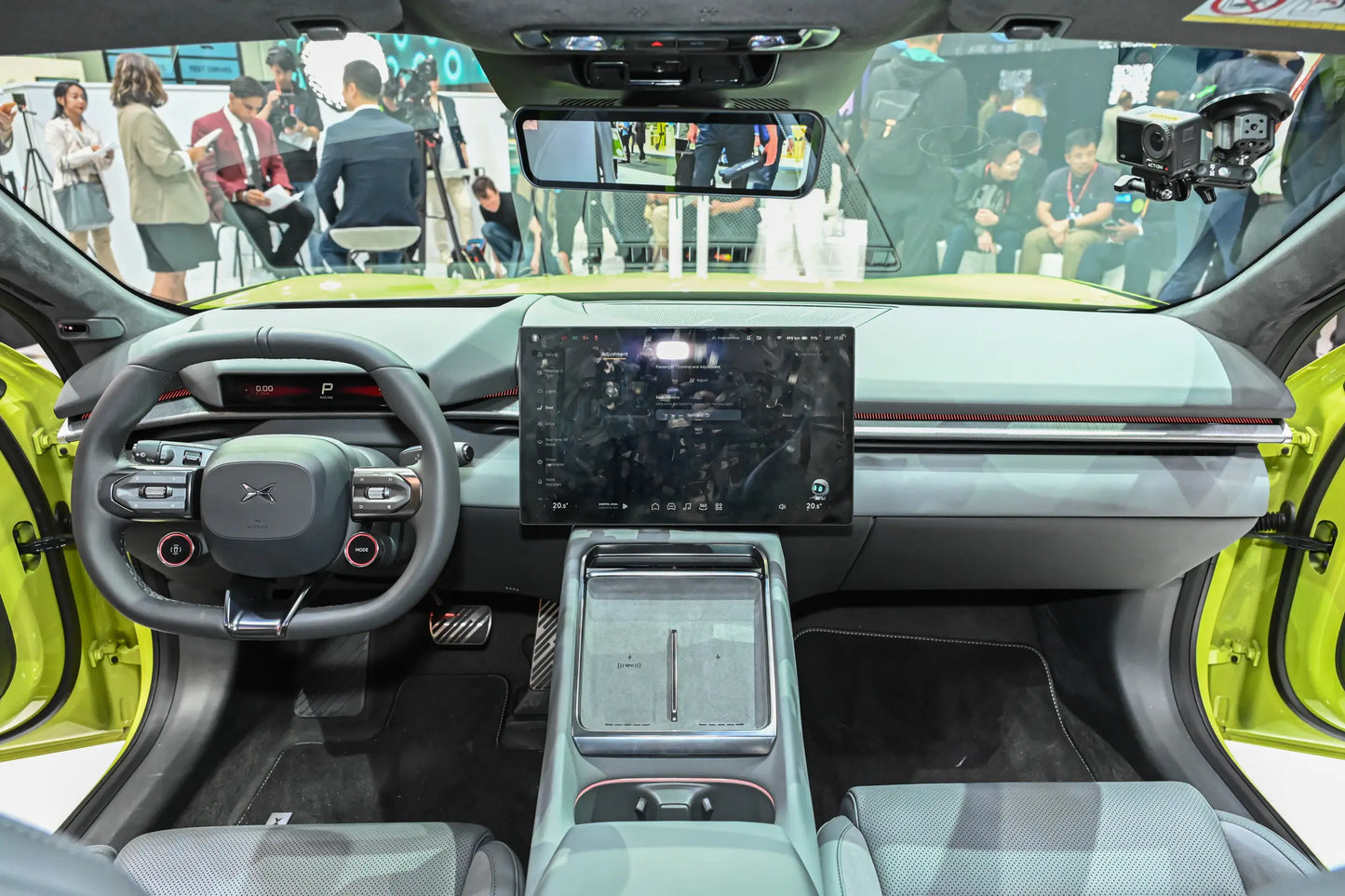
You can explore the vehicle’s exterior and interior design in detail via:
Basic Information
Configuration
Model: XPENG P7 702 Long Range Ultra
Driving Range (km) (CLTC): 702
Driving Range (km) (WLTP): 576 (Reference: EV Range Converter)
Charging Time (hours): 0.2 hours for fast charging
100km Power Consumption (kWh/100km): 12
Battery Capacity (kWh): 74.9
Maximum Speed (km/h): 230
Vehicle Dimensions (mm): 5017x1970x1427
Maintenance Costs and Manufacturer Services
Charging Cost
Based on the global average residential electricity price of USD 0.17/kWh (Global Petrol Prices, 2025), the XPENG P7 consumes approximately 12.7 kWh per 100 km, resulting in a charging cost of about $2.04 per 100 km.
Maintenance Cost
The average annual maintenance cost for an electric vehicle is approximately 30%–40% that of a fuel-powered vehicle.
Manufacturer Services
The vehicle warranty period is 5 years or 120,000 km (DCAR, 2025).
Subsidies and Policies
| Examples | |
| Germany | Motor tax exemption for EVs with less than 50g CO2/km emissions or at least 60km range (80km from 2025) until 2030. Privileges for electric cars on German roads, e.g. car parking and bus lane use. (Government of Germany, 2012) |
| Switzerland | Legislative revision including support for recharging stations, an extension of tax exemptions for electric and hydrogen trucks until 2030. (Swiss Federal Government, 2023) |
| Thailand | Tax reductions and exemptions for EVs to promote their deployment (Government of Thailand, 2022) |
| United Kingdom | ZEV mandate: 80% of new cars and 70% of new vans sold in Great Britain will be zero emission by 2030, increasing to 100% by 2035. Around 300 000 public chargers expected as a minimum by 2030 (Government of the United Kingdom, 2023) |
| United States | Alternative Fuel Vehicle Refueling Property Credit offers tax credits up to 30% (up to USD 1 000 for residences or up to USD 100 000 for business) for the installation of alternative fuelling equipment in low-income communities or non-urban areas (Government of the United States, 2023) |
| Mexico | Signatory to COP26 ZEV Declaration to work towards all sales of new cars and vans being zero emission globally by 2040. (Government of Mexico, 2022) |
| United Arab Emirates | Increase EV charging stations to 10 000 in 2030 and 30 000 by 2050. (Government of Dubai, 2023) |
| Brazil | National Green Mobility and Innovation Program ("MOVER") (Government of Brazil, 2024) |
For more, please refer to Global EV Policy Explorer to check the EV policies in your location (Global EV Policy Explorer, 2025)
Competitive Comparison
We have identified three pure electric vehicle models with a starting price difference of within $2,000 compared to the XPENG P7. The comparison covers peer models such as Zhiji L6, Han EV, and Lynk & Co Z10, and by comparing their officially announced parameters, we find that the XPENG P7 demonstrates its features in intelligent driving, body structure, and comfort configuration.
-
Range and Energy Efficiency: The CLTC range of the 2025 XPENG P7 702 Long Range Ultra reaches 702km, ranking at the upper-middle level in its class; its electricity consumption per 100km is 12kWh, which is better than the runner-up Zhiji L6 (12.5kWh), leading in energy consumption control and meeting the needs of daily commuting and medium-short distance cross-city travel.
-
Charging Performance: The fast charging time (10%-80%) is only 0.2 hours, leading in energy replenishment efficiency in its class. It is 0.1 hour and 0.13 hour faster than Zhiji L6 (0.3 hours) and Han EV (0.33 hours) respectively, and only slightly slower than Lynk & Co Z10 (0.25 hours), meeting daily energy replenishment needs.
-
Power Performance: With a maximum power of 270kW, a maximum torque of 465N·m, and a top speed of 230km/h, its power parameters are strong and can meet high-performance driving demands. Compared with Zhiji L6 (245kW, 200km/h) and Han EV (170kW, 190km/h), it has obvious advantages. Although it is not as good as Lynk & Co Z10 (310kW, 240km/h), it still belongs to the strong power echelon in its class.
-
Space Practicality: The body dimensions are 5017×1970×1427mm, and the body width of 1970mm is the widest among the four models, giving it an advantage in lateral space. The luggage compartment has excellent expandability of 575-1929L, second only to Lynk & Co Z10 and far exceeding Zhiji L6 and Han EV.
-
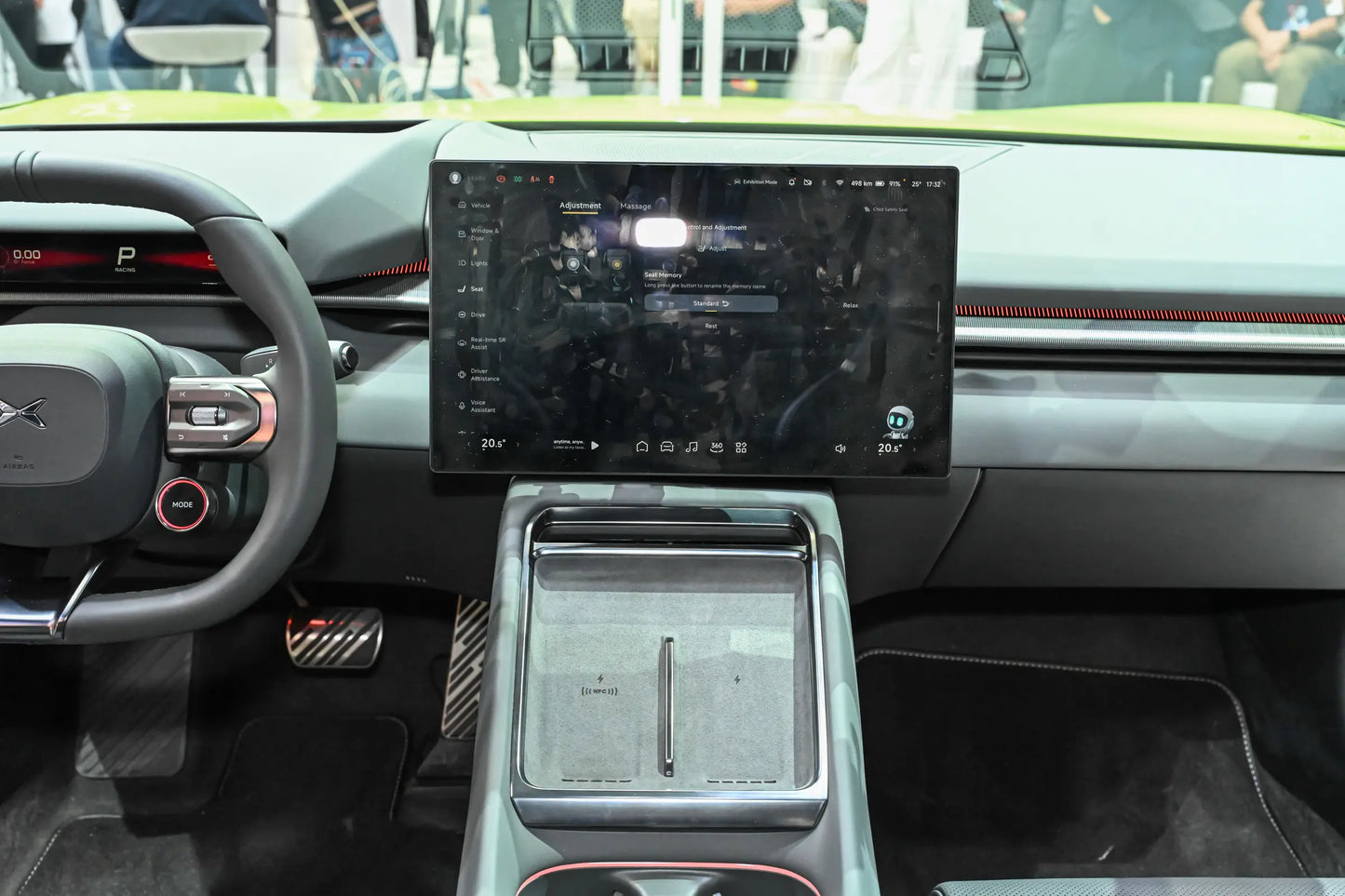
Technology Configuration: It is equipped with the XNGP assisted driving system, AR-HUD, facial recognition, and voiceprint recognition as standard. The intelligent driving logic is mature and the interaction is rich. Han EV and Lynk & Co Z10 lack facial recognition function, and the operational flexibility of the 15.6-inch rotatable central control screen is better than the fixed-screen design of peers, making its technology configuration outstanding in comprehensiveness and convenience.
-
Comfort Configuration: The main and co-driver seats are equipped with electric adjustment, ventilation, and memory functions as standard; it is equipped with frameless doors and dual-chamber air suspension, resulting in excellent driving texture and riding experience.
Summary
The 2025 XPENG P7 702 Long Range Ultra is a mid-to-high-end pure electric sedan with strong comprehensive strength. Its energy replenishment efficiency with 0.2-hour fast charging (10%-80%) leads in its class; the main and co-driver seats are fully functional, providing a good driving and riding experience, making it a model with extremely high cost performance.
| Model / Parameter | XPeng P7 2025 702 Long Range Ultra | IM L6 2025 Max 74kWh | Han EV 2025 Long Range Smart Driving Edition 705KM LiDAR Flagship Model | Lynk & Co Z10 2024 95kWh 806km Rear-drive Smart Driving Max |
| Driving Range (km) | 702 | 645 | 705 | 806 |
| Vehicle Dimensions (mm) | 5017×1970×1427 | 4937×1960×1474 | 4995×1910×1495 | 5028×1966×1468 |
| Number of Seats (units) | 5 | 5 | 5 | 5 |
| Trunk Capacity (L) | 575 | 457 | 410 | 616 |
| Charging Time | Fast charging 0.2 hours (10-80% battery) | Fast charging 0.3 hours (10-80% battery) | Fast charging 0.33 hours (10-80% battery) | Fast charging 0.25 hours (10-80% battery) |
| Maximum Power (kW) | 270 | 245 | 170 | 310 |
| Maximum Torque (N·m) | 465 | 430 | 360 | 440 |
| Maximum Speed (km/h) | 230 | 200 | 190 | 240 |
| 100km Power Consumption (kWh/100km) | 12 | 12.5 | 13.8 | 14 |
| Battery Capacity (kWh) | 74.9 | 74 | 76.8 | 95 |
| Auto Hold | Standard | Standard | Standard | Standard |
| Driver Assistance Camera | 5-door 5-seat liftback, equipped with high-definition cameras | 5-door 5-seat liftback, equipped with high-definition | 4-door 5-seat sedan, equipped with high-definition cameras | 4-door 5-seat sedan, equipped with high-definition cameras, 360 |
| Sunroof Type | Panoramic Sunroof | Panoramic Sunroof | Panoramic Sunroof | Panoramic Sunroof |
| Power Seats | Electric adjustment, heating, ventilation, massage (main driver) | Electric adjustment, heating, ventilation (main driver) | Electric adjustment, heating (standard for main and auxiliary drivers) | Electric adjustment, heating (standard for main and auxiliary drivers), ventilation |
| Central Control Screen Size (inches) | 14.96 | 15.5 | 15.6 | 14.6 |
Data Source: (DCAR, 2025)
Real-world Review
Advantages:
-
The rear-wheel-drive smart driving version achieves a measured 0-100km/h acceleration time of 4.85 seconds, outperforming the official 5.1-second result. The four-wheel-drive version has even stronger power.
-
The seats support heating, ventilation, and massage. The main driver's seat has an adjustment stroke of up to 255mm. The central armrest box is large, and the wireless phone charging power is 50W.
Areas for Improvement:
-
The fuzzy semantic recognition capability needs optimization, as it has difficulty recognizing relatively colloquial voice commands.
-
The length and angle of the rear seats are relatively short, limiting comfort during long-distance rides.
Test review from internal and third-party testing:
-
High-speed range test: In the test on the Second Ring Expressway in Chengdu, the average speed throughout the journey was 102km/h, the displayed average electricity consumption was 19.2kWh/100km, and the range achievement rate was 59%. Compared with same-class models (such as Xiaomi SU7 and Tesla Model 3), the range performance is at the upper-middle level.
-
Charging efficiency test: The measured maximum power of a 120kW charging pile is 92.4kW, and the charging time from 30% to 80% is about 27 minutes. The power of Zeekr charging stations can reach 200-210kW, and the charging speed leads to the same class.
Real User Reviews
To quantify the real user experience of car owners, we conducted a structured survey on XPENG P7 owners at the highly influential DCAR Automotive Forum in 2025. A total of 1743 valid questionnaires were collected in this survey. Through qualitative analysis of the feedback content, they were categorized into multiple positive feedback dimensions and negative feedback dimensions. There were 12 positive evaluation dimensions, with a total of 1349 specific statements; and 12 negative evaluation dimensions, with a total of 394 specific statements. (DCAR, 2025).
Positive Feedback
Abundant Power
Summary: The power is strong, the acceleration is smooth, and there is no pressure for overtaking acceleration.
Practical Configuration
Summary: Configurations are differentiated in detail according to battery range, with rich intelligent configurations and strong voice interaction capabilities.
Negative Feedback
Relatively Small Space
Summary: The vehicle's design sacrifices rear space, making tall people easily feel cramped.
Abnormal Noise
Summary: Some parts have abnormal noise during daily use, but it does not affect normal use.
References
DCAR (2025). DCAR. Retrieved from https://www.dongchedi.com/auto/series/20041
EV Range converter (2025). EV Range converter. Retrieved from https://ev-range-standard-converter.web.app/
Global EV Policy Explorer (2025). Explore key policies and measures for EV deployment. Retrieved from https://www.iea.org/data-and-statistics/data-tools/global-ev-policy-explorer?
Global Petrol Prices (2025). World Average Electricity Prices, USD / kWh. Retrieved from https://www.globalpetrolprices.com/electricity_prices/